
Seeing Beyond the Surface
Medieval European art wasn’t about self expression or aesthetics alone. It was a tool visual communication for a world where most people couldn’t read. Paintings, sculptures, manuscripts, and stained glass told stories, taught doctrine, and reinforced authority. Every gesture, color, and object had a purpose.
Artists used symbols not just to illustrate, but to encode meaning. A lamb wasn’t just cute it was Christ. A broken wheel, a martyr’s badge. With limited text and no captions, the image had to do all the heavy lifting. Churches used this language to guide worshippers. Monarchs used it to affirm power. Even simple scenes of village life hinted at who mattered and who obeyed.
Today, this symbolic language might seem cryptic. But once you learn it, medieval art opens up. You start to see centuries old images not just as relics but as layered, deliberate works meant to shape hearts and minds. It’s less about decoration, more about decoding a worldview.
Religious Symbols: Code for the Faithful
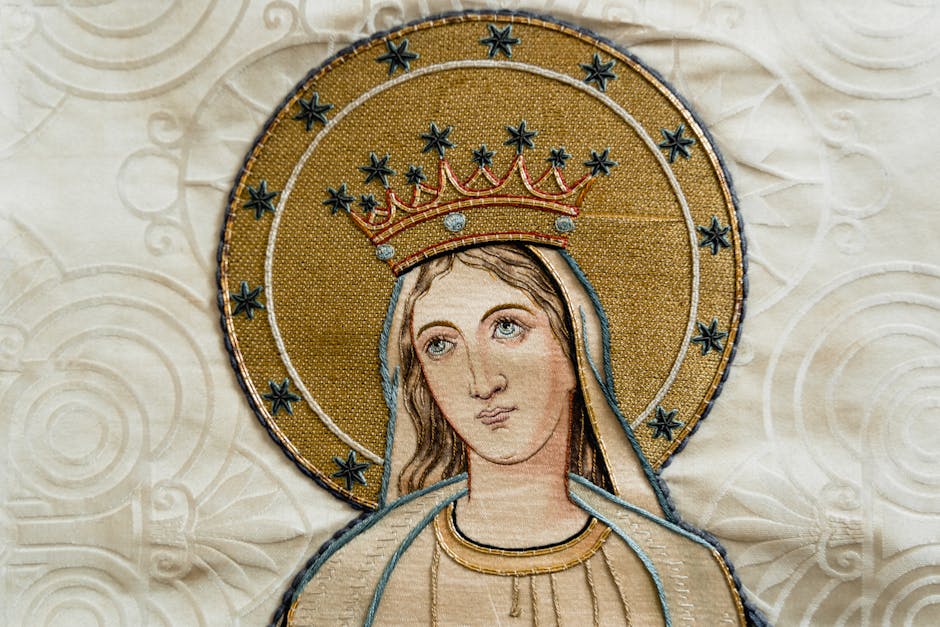
In medieval European art, religion wasn’t just the backdrop it was the entire stage. Artists had a visual shorthand that communicated complex theological ideas at a glance. The halo, for example, wasn’t decorative flair; it marked the holy, those touched by divinity. Whether surrounding Christ, Mary, or a saint, it was a signal of sacred status to viewers who may not have been able to read but could still understand power.
Then there’s the lamb. Not just a pastoral nod it was loaded with meaning. Often seen at the foot of the cross or carried by John the Baptist, the lamb represented Jesus himself: innocent, pure, and destined to be sacrificed. It told the story of redemption without a single line of text.
Color, too, carried weight. Blue usually meant purity and was tied closely to the Virgin Mary. Red, on the other hand, was double edged both the hue of martyrdom and a symbol of authority or divine fire. These weren’t aesthetic choices; they were moral cues embedded in pigment.
And often, scenes from scripture came layered with extra meaning. A simple birth scene might include symbolic animals or plants, each chosen for what they represented spiritually. For those who knew how to read the code, these weren’t just paintings they were sermons in disguise.
Animals and Nature: Messages in Motif

Medieval artists didn’t just paint animals and plants for decoration they picked them carefully, knowing their audiences would catch the hidden meaning. The lion, for example, wasn’t just a cool looking beast. It stood for courage and divine strength, often linked with Saint Mark the Evangelist. You’ll see them guarding tombs, lounging beneath thrones, or anchoring the edges of manuscript pages silent symbols of watchfulness and power.
Snakes, on the other hand, carried the weight of darker themes. Almost always, they pointed to sin, temptation, and chaos. The serpent in the Garden of Eden set that tone early, and medieval artists leaned into it. A snake winding through a tree or slinking near a character wasn’t subtle it was a visual red flag.
Even elements like trees and flowers served a deeper role. Cypress trees might signal eternal life; lilies pointed toward purity and resurrection. A carefully placed vine or blooming rose wasn’t botanical filler it was a visual whisper about life after death, divine love, or spiritual renewal.
Nature motifs in medieval art added emotional and narrative depth. They helped viewers read between the lines no words needed.
Hidden Politics and Social Commentary
Medieval art wasn’t just about God it was about power. Even in sacred frescoes or altarpieces, hierarchy was baked into the layout. Figures weren’t all equals under heaven. Monarchs were often painted closer to saints or divine figures, not just for aesthetics, but to make a political point: their right to rule came from God. It was subtle PR, pre printing press.
Peasants, when pictured at all, were distant and small part of the background, not the story. Their roles looked fixed, often shown farming or laboring, reminding viewers (many of whom were peasants themselves) where they stood in the grand design. It wasn’t accidental. These paintings helped reinforce the idea that societal order was divine and unchangeable.
Underneath the gold leaf and halos, the message was clear: know your place. In pushing these ideas through sacred visuals, church and crown weren’t just telling stories they were shaping the way people saw society. And that’s the enduring truth: art reflects society, just as much as it molds it.
Legacy in Today’s Visual Culture
Medieval Symbols in Modern Media
Many of the symbolic images seen in medieval art are still deeply embedded in today’s visual storytelling.
The lamb often represents innocence, peace, or sacrifice paralleling its medieval role symbolizing Christ.
The serpent continues to serve as a symbol of danger, deceit, or forbidden knowledge, especially in fantasy genres.
The knight remains a potent emblem of bravery, honor, or the classic lone hero archetype.
These aren’t just artistic leftovers they remain embedded in how societies convey values, tension, and transformation.
From Manuscripts to Modern Screens
Contemporary creators across mediums borrow heavily from these established visual codes:
Film: Costumes, color symbolism, and character archetypes often draw directly from medieval iconography.
Literature: Fantasy and historical fiction frequently echo the morality tales and allegorical structures found in medieval works.
Video games: Many franchises use medieval symbols in game mechanics, world building, and character development for impact and immersion.
The past continues to inform the present, making symbolic literacy a valuable tool even in digital age media.
Why This History Still Matters
Understanding the symbolic language of medieval art equips modern viewers with a new lens:
It deepens appreciation for the historical roots of today’s narratives.
It allows for greater insight into how cultural themes evolve yet persist over time.
It bridges the gap between then and now, showing that symbols may change form but not always function.
Final Takeaway
Today’s viewers are overloaded with images but often short on tools to read them. That’s where medieval art still matters. It operates on a visual code, one that’s been passed down, adapted, and reused for centuries. From lambs to lions, halos to serpents, these weren’t just ornaments they were the grammar of a shared language.
In 2026, with AI generated content flooding screens and old symbols repackaged in everything from fantasy games to fashion campaigns, context is everything. Knowing how to read a medieval painting isn’t just about admiring the past. It’s about recognizing what still speaks and why. Because this art doesn’t whisper. It talks. You just have to know how to listen.