What Patronage Really Means
Artistic patronage isn’t just about cutting checks. Historically, it meant wealthy individuals or institutions funding artists so they could create without chasing coins or commissions from the general public. This support gave the world Michelangelo’s ceiling, da Vinci’s innovations, and the birth of the entire Baroque movement. These weren’t side hustles they were fully funded visions driven by money and belief in the artist’s skill.
Today, the term has broadened. It includes streaming platform sponsorships, private collectors bankrolling entire exhibitions, and even crowdfunding campaigns backing indie filmmakers and digital artists. But the core idea holds: when someone with resources believes in a creator’s vision, important work gets made.
Wealth doesn’t just fund the art it pushes it forward. It allows room for mistake, time for discovery, and space for scale. Crisis rarely breeds masterpieces. Stability does. Art history shows us, again and again, that when money meets talent, culture gets changed. That’s not romantic it’s reality.
The Power Players Behind Masterpieces
Renaissance art didn’t flourish in a vacuum. Behind the celebrated names of Michelangelo, Leonardo da Vinci, and Raphael stood a powerful group of individuals and institutions whose wealth and influence helped shape the very direction of Western art.
Renaissance Patrons Who Changed Art History
Certain patrons didn’t just support artists; they steered the course of entire cultural movements. Their preferences, finances, and political agendas had lasting impacts on what was created and why.
Key Figures:
The Medici Family: Florence’s most famous banking dynasty used their wealth to commission an extraordinary range of art, from Brunelleschi’s dome to Botticelli’s mythological masterpieces.
Pope Julius II: Often called “The Warrior Pope,” Julius commissioned staggering projects, including the rebuilding of St. Peter’s Basilica and Michelangelo’s decoration of the Sistine Chapel ceiling.
Ludovico Sforza: As Duke of Milan, he provided Leonardo da Vinci with both resources and creative freedom, leading to iconic works like The Last Supper.
More Than Money: Influence Over Medium and Message
Patrons weren’t passive buyers they were often deeply involved in the artistic process, shaping both the form and the message of what was produced.
Subject Matter: Religious imagery, heroic portraits, and mythological scenes were often chosen to reflect the patron’s values or ambitions.
Style Preferences: Some favored classicism and calm; others encouraged experimentation or drama. Patron tastes directly impacted the evolution of style.
Scale and Materials: Commissions varied from modest altarpieces to expansive frescoes or architectural feats. The financial means of the patron determined the project’s scale, medium, and prestige.
Patrons as Silent Co Creators
Artworks of the Renaissance often bear the creative fingerprint of both the artist and the patron. Though uncredited in signatures, many patrons may be considered co authors of the works they funded, having set the terms, themes, and sometimes even the outcome.
In sum, to fully understand a masterpiece from this era, one must look not only at the brushstrokes or the subjects but at the figures who made its creation possible.
Patronage in the Renaissance: A Catalyst, Not Just a Backer
Florence during the Renaissance wasn’t just a cultural hotspot by coincidence it was a strategically supported incubator of innovation. Wealthy families, political institutions, and the Church poured resources into the arts, not only as a means of beautification but as a deliberate form of influence and legacy building.
Florence as a Creative Powerhouse
The city became a vibrant epicenter for artists, thinkers, and architects thanks to focused, intentional patronage.
Key patrons like the Medici family actively sought out rising talent and provided them with the financial freedom to experiment.
Public and private commissions transformed Florence’s urban landscape, from statues in civic squares to chapel frescoes.
The demand for iconic works encouraged healthy competition among artists, setting new standards for European art.
Funding Innovation in Art
Commissioned projects weren’t simply assignments they were gateways to experimentation. Patrons, by funding both the project and often the materials, enabled artists to push boundaries:
Advancements in perspective, anatomy, and composition were made possible by extended timelines and resource availability.
Technological leaps, such as improved fresco and oil painting techniques, were funded and tested in real commissioned works.
Access to rare pigments, tools, and even scholarly texts helped elevate artistic output beyond past limitations.
Explore more on the era’s inspiration: The Influence of Classical Antiquity on Renaissance Art
Art as Status, Power, and Propaganda

Patrons didn’t just commission paintings and sculptures to fill space they used art as a tool to say something about themselves, in a language that would outlive them. Wealth gave them access, but intention gave their commissions power. This was legacy building in brushstrokes and marble.
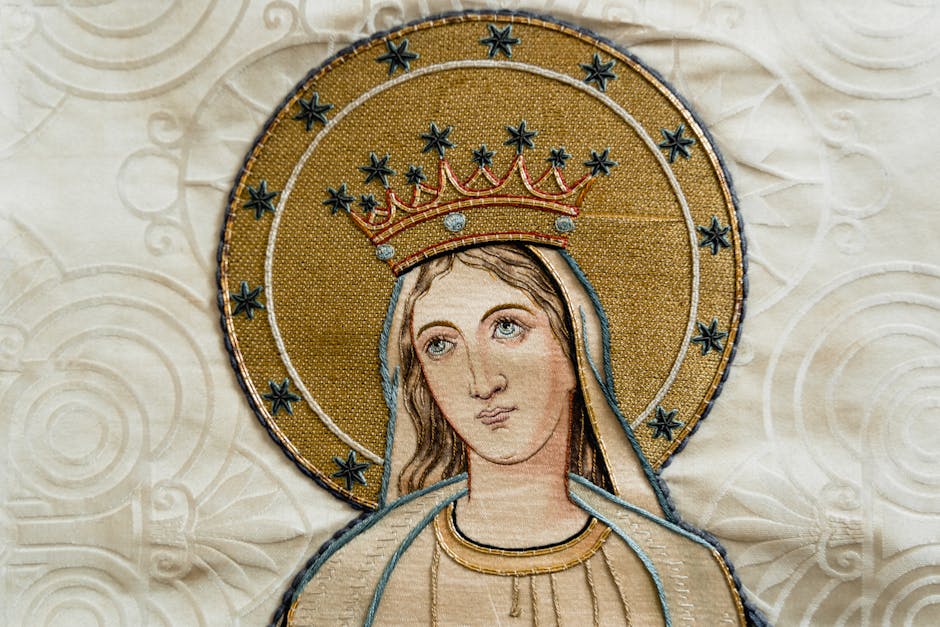
Take Renaissance Italy. Wealthy families and church leaders hired artists to depict biblical scenes, saints, and mythological figures not just out of faith or taste, but to broadcast authority and cultural superiority. When a powerful figure requested the Virgin Mary shown in a family likeness or placed local landmarks in the background of a holy scene, it wasn’t an accident. It was strategy. Divine favor meant political support. Beauty meant order, wealth, and sophistication. Even the selection of scene warrior saints over peaceful martyrs, for example served a narrative purpose.
Choosing the right artist wasn’t just about style. It was about aligning an artist’s visual language with the patron’s goals. Michelangelo could evoke grandeur and spiritual drama; Raphael offered grace and harmony. Each brought not just skill, but a particular lens of power.
In the end, the art wasn’t just decoration. It was branding, PR, and legacy rolled into one but executed at a level no Instagram campaign could rival. Patrons built monuments to their ideals, their politics, and themselves. The message: power is beauty made visible.
A Modern Reflection: Is Patronage Still Alive in 2026?
Yes patronage is alive. It just looks different.
Swap out wool merchants and popes for tech billionaires, branded foundations, and masses of $5 a month subscribers. The names have changed, but the core relationship remains intact: someone with money funds someone with talent, and culture gets made in the middle.
Art collectors still play their part. Some chase investment returns. Others want their walls to mean something. Either way, their purchases decide what enters the conversation and prices often dictate what stays there. Corporate sponsors have also stepped into the arena. Their dollars come with branding requirements, campaign tie ins, and expectations for reach. It’s not always clean, but it keeps a lot of projects alive.
Platforms like Instagram, Patreon, and Kickstarter have expanded patronage horizontally. Now, artists can build a crowd instead of courting one wealthy elite. But small donations pile up slower than a single commission check, and digital visibility plays gatekeeper more than ever. Artists who engage, market, and strategize around algorithms have the edge.
Meanwhile, institutional players galleries, museums, biennales still crown the canon. Their curatorial choices tilt markets and reputations. They’re patricians in modern clothes, but the power hasn’t diffused as much as we pretend.
What’s changed? The pathways are broader. What hasn’t? The art world still runs on funding and someone has to write the check.
Takeaway: No Wealth, No Legacy?
Money doesn’t paint, carve, or compose but it opens the door. Throughout history, wealth has been the hidden scaffolding behind the world’s most celebrated works. Without deep pockets funding canvases, cathedrals, and symphonies, many masterpieces would’ve stayed trapped in imagination. Art needs labor. Labor needs time. And time costs.
What’s more, patronage isn’t neutral. Every commissioned piece carries the fingerprints of its funder not just financially, but ideologically. Want more Madonna and Child depictions during the Renaissance? Thank the Church flexing its dominance. Grand civic murals in 20th century Mexico? Those weren’t just art they were political declarations, paid for with purpose.
So when we study legacy art, we’re not just seeing a genius at their best. We’re looking at a collaboration between vision and power, inspiration and ambition. The artist may have held the brush, but the patron shaped the frame.
 Veylisa Selmorne writes the kind of art history insights content that people actually send to each other. Not because it's flashy or controversial, but because it's the sort of thing where you read it and immediately think of three people who need to see it. Veylisa has a talent for identifying the questions that a lot of people have but haven't quite figured out how to articulate yet — and then answering them properly.
They covers a lot of ground: Art History Insights, Techniques of Historical Artists, Exhibition Reviews and Highlights, and plenty of adjacent territory that doesn't always get treated with the same seriousness. The consistency across all of it is a certain kind of respect for the reader. Veylisa doesn't assume people are stupid, and they doesn't assume they know everything either. They writes for someone who is genuinely trying to figure something out — because that's usually who's actually reading. That assumption shapes everything from how they structures an explanation to how much background they includes before getting to the point.
Beyond the practical stuff, there's something in Veylisa's writing that reflects a real investment in the subject — not performed enthusiasm, but the kind of sustained interest that produces insight over time. They has been paying attention to art history insights long enough that they notices things a more casual observer would miss. That depth shows up in the work in ways that are hard to fake.
Veylisa Selmorne writes the kind of art history insights content that people actually send to each other. Not because it's flashy or controversial, but because it's the sort of thing where you read it and immediately think of three people who need to see it. Veylisa has a talent for identifying the questions that a lot of people have but haven't quite figured out how to articulate yet — and then answering them properly.
They covers a lot of ground: Art History Insights, Techniques of Historical Artists, Exhibition Reviews and Highlights, and plenty of adjacent territory that doesn't always get treated with the same seriousness. The consistency across all of it is a certain kind of respect for the reader. Veylisa doesn't assume people are stupid, and they doesn't assume they know everything either. They writes for someone who is genuinely trying to figure something out — because that's usually who's actually reading. That assumption shapes everything from how they structures an explanation to how much background they includes before getting to the point.
Beyond the practical stuff, there's something in Veylisa's writing that reflects a real investment in the subject — not performed enthusiasm, but the kind of sustained interest that produces insight over time. They has been paying attention to art history insights long enough that they notices things a more casual observer would miss. That depth shows up in the work in ways that are hard to fake.