Maryanne Smithack

**Maryanne Smithack** is an accomplished historian and author dedicated to uncovering the nuanced narratives of the past. With a keen eye for detail and a passion for storytelling, Maryanne has devoted her career to exploring the intricate intersections of history, culture, and identity. She holds a Master’s degree in History from a prestigious university and has contributed extensively to various historical journals and publications. Her work often challenges conventional perspectives, encouraging readers to engage with history in a more dynamic and reflective way. At Arcyhist, where she is a regular contributor, Maryanne focuses on bringing lesser-known stories to the forefront, shining a light on the untold voices that have shaped our world. Beyond her writing, she is an enthusiastic lecturer and has presented her research at numerous international conferences, engaging audiences with her insightful analyses and compelling narratives. Maryanne’s dedication to history is matched only by her commitment to making it accessible and engaging for all.

sfumato-masterpieces

Unpacking Leonardo da Vinci’s Use of Sfumato Technique

What Is Sfumato? Sfumato is one of the most celebrated painting techniques of the Renaissance and its origins are as poetic as its effect. The Meaning Behind the Word The term “sfumato” comes from the Italian word sfumare, meaning “to evaporate like smoke.” It captures the essence of the technique: creating soft, blurred transitions without […]

Unpacking Leonardo da Vinci’s Use of Sfumato Technique Read More »
wartime-influence-1

How Art Has Shaped Political Change Throughout History

From Symbols to Statements Art’s role in shaping politics didn’t start with manifestos or museums. From the beginning, it’s been entangled with power. Long before gallery openings and social media, rulers used visual language to reinforce control to immortalize themselves in stone, paint, and gold. Think epic murals etched onto temple walls, or statues built

How Art Has Shaped Political Change Throughout History Read More »

hidden-treasures-1

Highlights From the Latest Impressionist Exhibition at MoMA

What Made This Exhibition Stand Out MoMA’s latest Impressionist exhibition doesn’t play it safe. Instead of recycling the usual greatest hits, the curators built a timeline through brushstrokes starting with early pioneers like Monet and Cézanne and moving all the way to the more experimental edges of the movement’s final years. The result feels less

Highlights From the Latest Impressionist Exhibition at MoMA Read More »

surreal-pop

Surrealism’s Subconscious Influence on Modern Creativity

What Surrealism Sparked Beneath the Surface Surrealism wasn’t just about melting clocks and dreamlike scenery it was a direct challenge to how we process the world. Born in the aftermath of World War I, the movement rejected rationalism and embraced what felt raw and unpredictable: dreams, instincts, fragments of memory. Artists and writers dug beneath

Surrealism’s Subconscious Influence on Modern Creativity Read More »

subtle-cues

Decoding Symbolism in Renaissance Religious Paintings

Reading Between the Brushstrokes In the Renaissance, religious art wasn’t just nice to look at. It was a theological tool. Symbolism in these works ran deep because most viewers weren’t reading scripture they were looking at it. Artists knew this. So they embedded whole belief systems into visual language. A goldfinch in a child’s hand

Decoding Symbolism in Renaissance Religious Paintings Read More »

classical design lessons

Lessons Modern Creators Can Learn from Classical Aesthetic Principles

Timeless Beauty Still Wins In 2026, amidst ever changing trends and rapid innovation, the core principles of classical aesthetics balance, proportion, and harmony remain deeply influential in creative work. Whether in digital branding or social media visuals, these timeless concepts continue to shape what we consider aesthetically pleasing. Why Classical Principles Still Matter Classical design

Lessons Modern Creators Can Learn from Classical Aesthetic Principles Read More »

baroque chiaroscuro

Why Chiaroscuro Became a Defining Feature of Baroque Paintings

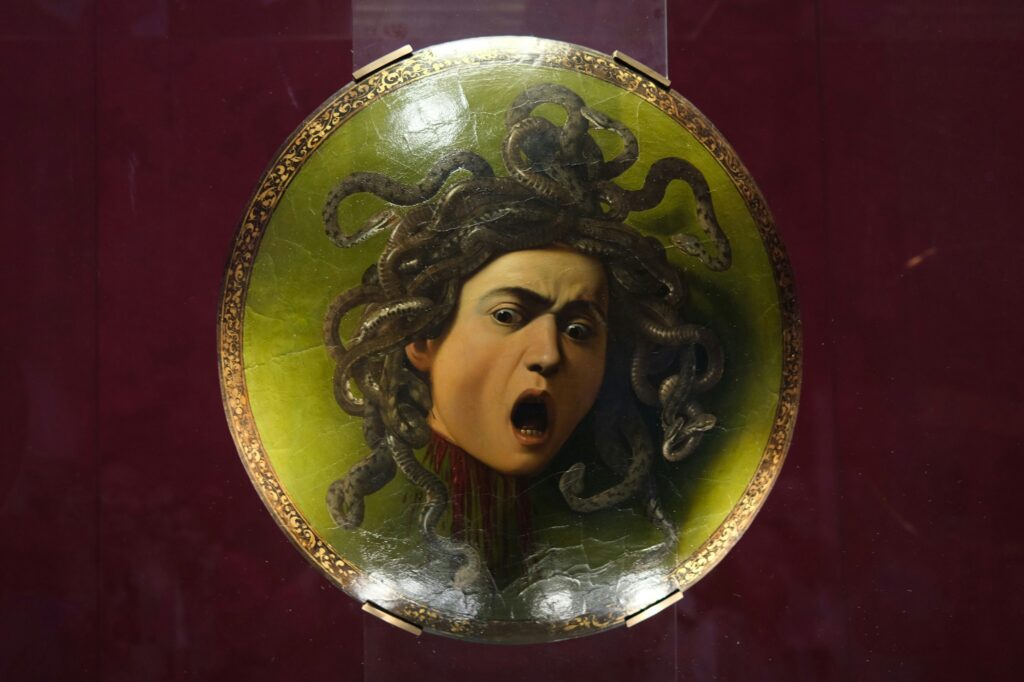
What Is Chiaroscuro, Really? Chiaroscuro comes from the Italian words “chiaro” meaning light, and “oscuro” meaning dark. Pretty straightforward. But the technique itself? Far from simple. At its core, chiaroscuro is the tension between light and shadow but it’s not just about making one side of a face glow while the rest fades into black.

Why Chiaroscuro Became a Defining Feature of Baroque Paintings Read More »

michelangelo fresco secrets

Decoding Michelangelo’s Fresco Techniques in the Sistine Chapel

Setting the Scene: The Sistine Chapel in 1508 Historical Context: A Bold Commission At the dawn of the 16th century, Pope Julius II sought to leave a lasting artistic legacy. His ambitious vision? To transform the Vatican’s Sistine Chapel ceiling into a sweeping visual narrative of biblical stories and human potential. The chapel, already an

Decoding Michelangelo’s Fresco Techniques in the Sistine Chapel Read More »

velazquez painting techniques

How Velázquez Achieved Depth and Texture in His Paintings

The Visual Legacy of Velázquez You don’t stay relevant for 400 years by playing it safe. Diego Velázquez’s techniques born in 17th century Spain still resonate in studios and classrooms today. Why? Because they cut straight to what makes a painting breathe: light, atmosphere, and unapologetic realism. There’s an honesty to his work that sidesteps

How Velázquez Achieved Depth and Texture in His Paintings Read More »

hieronymus bosch surrealism

How Hieronymus Bosch Redefined Surrealism Before Its Time

Bosch’s Vision, Centuries Ahead Hieronymus Bosch was born in the 15th century, but his imagination didn’t seem bound by the world he lived in. At a time when most painters stuck to predictable religious scenes, Bosch broke the mold and then set fire to it. His works are strange even by today’s standards: crowded panels

How Hieronymus Bosch Redefined Surrealism Before Its Time Read More »