
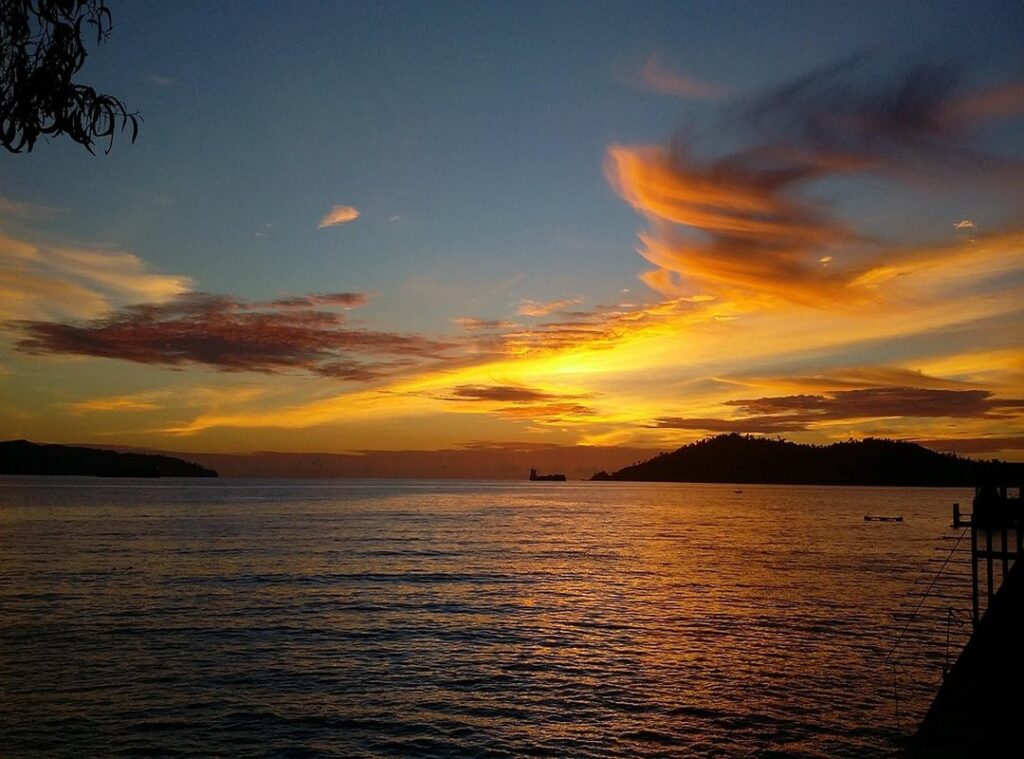
Kota Kibula is a small settlement in the Moba Territory of Tanganyika Province, Democratic Republic of Congo (DRC). It’s located near the western shore of Lake Tanganyika. This makes it a key spot for local fishing communities and a minor administrative center.
Swahili is widely spoken here, acting as a lingua franca, while French is the official language. The area is pretty isolated. People usually get there by boat on the lake or via local roads.
This guide will give you a clear, factual overview of Kota Kibula.
Pinpointing the Location: Geography and Climate
Kota Kibula is nestled in a unique spot, about 50 miles south of Moba and 70 miles north of Kalemie. The area is a mix of rolling hills and vast savannahs, with the majestic Lake Tanganyika forming its eastern border.
The climate here is tropical, following the Köppen classification as a tropical wet and dry climate. This means there are distinct wet and dry seasons.
- Wet Season: Typically from October to April.
- Dry Season: From May to September.
Temperatures can get pretty high. The hottest months are usually January and February, with temperatures often reaching up to 90°F (32°C). The coolest periods are July and August, where it might dip down to around 70°F (21°C) at night.
Some might argue that the climate is too extreme for comfort. But let’s be real, the locals have adapted well, and the consistent weather patterns make it easier to plan and prepare.
Lake Tanganyika is a lifeline for the region. It’s not just a stunning natural feature; it’s also a critical freshwater source and home to an incredible array of biodiversity. The lake supports a variety of fish species, making it a vital resource for both fishing and local ecosystems.
Nearby, you’ll find several rivers flowing into the lake, adding to its rich ecosystem. There are also some prominent hills that offer breathtaking views and add to the scenic beauty of the area.
In short, while the climate and geography might seem challenging, they play a crucial role in shaping the life and culture of Kota Kibula.
The People and Culture of the Region
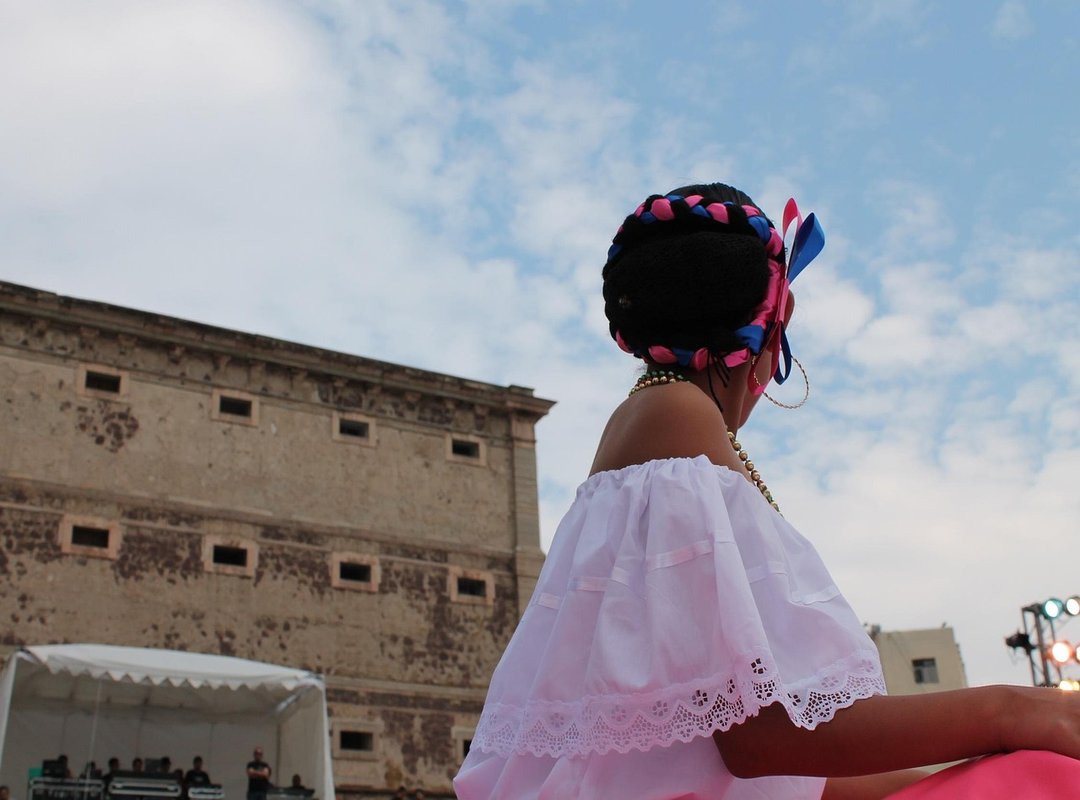
The Tabwa people are the predominant ethnic group in and around Kota Kibula. They have a rich cultural heritage that includes intricate wood carvings and vibrant textiles.
Swahili and French are widely spoken, but you’ll also hear local dialects that add to the area’s linguistic diversity. These languages blend together in everyday conversations, creating a unique soundscape.
Traditional music and dance play a big role in their culture. Drumming and singing are often part of community celebrations and ceremonies. These events bring everyone together, fostering a sense of unity and shared history.
Fish from the lake is a staple food, along with locally grown crops like cassava and maize. The diet is simple yet nutritious, reflecting the region’s natural resources and agricultural traditions.
Family is at the heart of the social structure. Village elders are highly respected and often consulted on important matters. Community gatherings, whether for celebrations or decision-making, are a regular part of life. Arcyhist
Religion in the area is a mix of Christianity and traditional animist beliefs. Many people find a way to integrate both into their daily lives, creating a spiritual tapestry that is uniquely their own.
A Brief History and Local Significance
Kota Kibula, like many settlements in the region, has a rich and complex history. It started as a small fishing village, with people relying on the nearby river for their livelihood.
During the Belgian colonial era, the region underwent significant changes. The Belgians introduced new administrative systems and infrastructure, which influenced the development of local towns, including Kota Kibula.
The Belgian rule wasn’t just about building roads and schools. It also brought a lot of hardship and exploitation. This period left a lasting impact on the social and economic structures of the area.
Regional conflicts and major political changes in the DRC have also played a role. These events often disrupted daily life and sometimes led to displacement and economic struggles.
The name Kota Kibula itself is intriguing. Unfortunately, specific historical records about its origin are scarce. But it’s likely many place names in the region, which often reflect the local language and geography.
Over time, Kota Kibula has evolved from a simple trading post into a more established village. Today, it serves as a hub for local commerce and community activities, showing how a place can adapt and grow despite challenging circumstances.
Economy and Daily Life in Kota Kibula
Kota Kibula‘s economy is deeply rooted in the natural resources of Lake Tanganyika. Fishing stands out as the primary source of livelihood, with local fishermen setting out early each morning to catch sardines, tilapia, and other fish species. These are not only crucial for local consumption but also form a significant part of the regional trade.
Subsistence agriculture complements the fishing industry. Farmers cultivate a variety of crops, including cassava, maize, and beans, which are essential for both local diets and small-scale trading. The fertile soil and favorable climate support year-round farming, ensuring a steady supply of food.
The local market serves as the heart of Kota Kibula‘s economic activities. Here, fresh fish, vegetables, and household items are bought and sold. It’s a bustling place where traders and consumers from neighboring areas also come to do business.
Daily life in Kota Kibula follows a predictable yet vibrant rhythm. Fishermen rise before dawn to prepare their nets and boats. Farmers tend to their fields, often working in family units.
Traders set up their stalls at the market, ready to haggle and barter.
Basic infrastructure in Kota Kibula includes a few schools and a basic healthcare facility. Transportation links are primarily by boat, connecting the town to other lakeside communities. Roads are less developed, making waterways the most reliable means of travel and transport.
 Ask Maryanne Smithack how they got into art movements explained and you'll probably get a longer answer than you expected. The short version: Maryanne started doing it, got genuinely hooked, and at some point realized they had accumulated enough hard-won knowledge that it would be a waste not to share it. So they started writing.
What makes Maryanne worth reading is that they skips the obvious stuff. Nobody needs another surface-level take on Art Movements Explained, Techniques of Historical Artists, Art History Insights. What readers actually want is the nuance — the part that only becomes clear after you've made a few mistakes and figured out why. That's the territory Maryanne operates in. The writing is direct, occasionally blunt, and always built around what's actually true rather than what sounds good in an article. They has little patience for filler, which means they's pieces tend to be denser with real information than the average post on the same subject.
Maryanne doesn't write to impress anyone. They writes because they has things to say that they genuinely thinks people should hear. That motivation — basic as it sounds — produces something noticeably different from content written for clicks or word count. Readers pick up on it. The comments on Maryanne's work tend to reflect that.
Ask Maryanne Smithack how they got into art movements explained and you'll probably get a longer answer than you expected. The short version: Maryanne started doing it, got genuinely hooked, and at some point realized they had accumulated enough hard-won knowledge that it would be a waste not to share it. So they started writing.
What makes Maryanne worth reading is that they skips the obvious stuff. Nobody needs another surface-level take on Art Movements Explained, Techniques of Historical Artists, Art History Insights. What readers actually want is the nuance — the part that only becomes clear after you've made a few mistakes and figured out why. That's the territory Maryanne operates in. The writing is direct, occasionally blunt, and always built around what's actually true rather than what sounds good in an article. They has little patience for filler, which means they's pieces tend to be denser with real information than the average post on the same subject.
Maryanne doesn't write to impress anyone. They writes because they has things to say that they genuinely thinks people should hear. That motivation — basic as it sounds — produces something noticeably different from content written for clicks or word count. Readers pick up on it. The comments on Maryanne's work tend to reflect that.