
Early Patronage: The Church as Cultural Powerhouse
The Catholic Church: Art’s First Major Patron
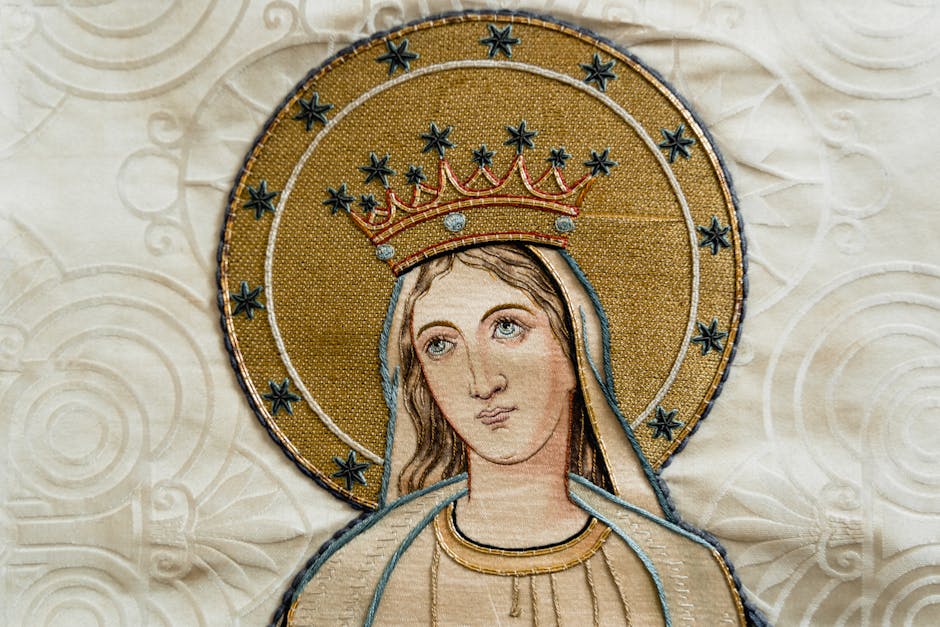
Before Europe’s royal courts or wealthy merchants began commissioning artists, the Catholic Church stood as the dominant force behind most artistic production. From the early Middle Ages through the Renaissance, the Church used art as a powerful tool for spiritual messaging and visual storytelling.
Churches and cathedrals were among the largest clients for painters, sculptors, and architects
Artworks were commissioned not only to glorify God, but to reinforce Church doctrine and inspire devotion among the illiterate masses
Religious art served as a visual Bible full of scenes from scripture and rich symbolic language
Motivations Rooted in Faith and Influence
The Church’s support for the arts was not purely devotional. Patronage also served political, cultural, and propagandistic purposes:
Artworks legitimized the Church’s moral and political authority
Lavish commissions reinforced the wealth and influence of religious institutions
Patronage served as a form of spiritual currency; donations and commissions were believed to secure heavenly favor for the faithful
Masterpieces Born from Monastic Walls
Some of Europe’s most iconic works owe their existence to Church commissions. Monasteries, abbeys, and cathedrals acted almost as early cultural hubs, nurturing artistic talent and preserving heritage.
Notable examples include:
Giotto’s frescoes at the Arena Chapel in Padua a major leap in narrative realism supported by religious patrons
Michelangelo’s Sistine Chapel ceiling, commissioned by Pope Julius II a triumph of both theology and visual power
The stained glass of Chartres Cathedral combining theological education and breathtaking craft
Religious patronage laid the foundation for the formal and thematic conventions of European art, shaping centuries of visual culture to come.
The Rise of Aristocratic and Royal Support
As power shifted from the Church to the courts, royal households and elite families stepped into the role of cultural backers. This wasn’t purely about aesthetics it was strategy. Art became a tool for influence, a way to broadcast wealth, taste, and authority to rivals and peers alike.
Nowhere did this play out more vividly than in Florence, where the Medici family redefined what it meant to fund art. Their support helped launch the Italian Renaissance. Botticelli, Michelangelo, and Leonardo da Vinci all benefited from the Medici’s deep pockets and political savvy. Art was no longer confined to sacred themes; it moved into myth, portraiture, architecture every inch saturated with personal legacy and civic pride.
Commissioned works weren’t just beautiful. They were loaded with messages allegories of power, divine right, and dynastic endurance. A fresco on a palace ceiling or a marble bust in a public square told a story about who held power, and how they wanted to be remembered. For monarchs and magnates, patronage wasn’t charity. It was branding.
The Shift to Private and Bourgeois Patrons
By the 18th century, the center of gravity in European art patronage was moving fast. No longer confined to the soaring cathedrals or gilded palaces of royalty, art was starting to hang in private homes, line the walls of salons, and fill the carefully curated collections of wealthy merchants. The Church and nobility still held sway, but they were no longer the only players in town. A new class the urban bourgeoisie was rising, and with it, a different kind of cultural influence.
This shift wasn’t just about buying art for decoration. Merchant patrons saw art as a statement of status, intellect, and civic pride. They hosted salons to signal sophistication, purchased portraits to capture legacy, and commissioned scenes de vie to reflect modern values. Many artists, freed from rigid religious constraints, found new freedom in subject matter. Landscapes, still lifes, portraits these became more than ornamentation; they became a dialogue between artist and patron, form and function.
But make no mistake: this freedom came with cost. Commercial pressure crept in. Artists now had to appeal to taste, fashion, even the egos of private clients. The market got competitive. Faster output was expected. Style sometimes bent to demand. Art became less about divine duty or dynastic grandeur and more about being relevant and profitable.
Still, the rise of bourgeois patronage democratized creativity. More artists got noticed. More work made its way into everyday spaces. And art, for better or worse, began to behave like business.
Institutional Support and the Birth of Public Art
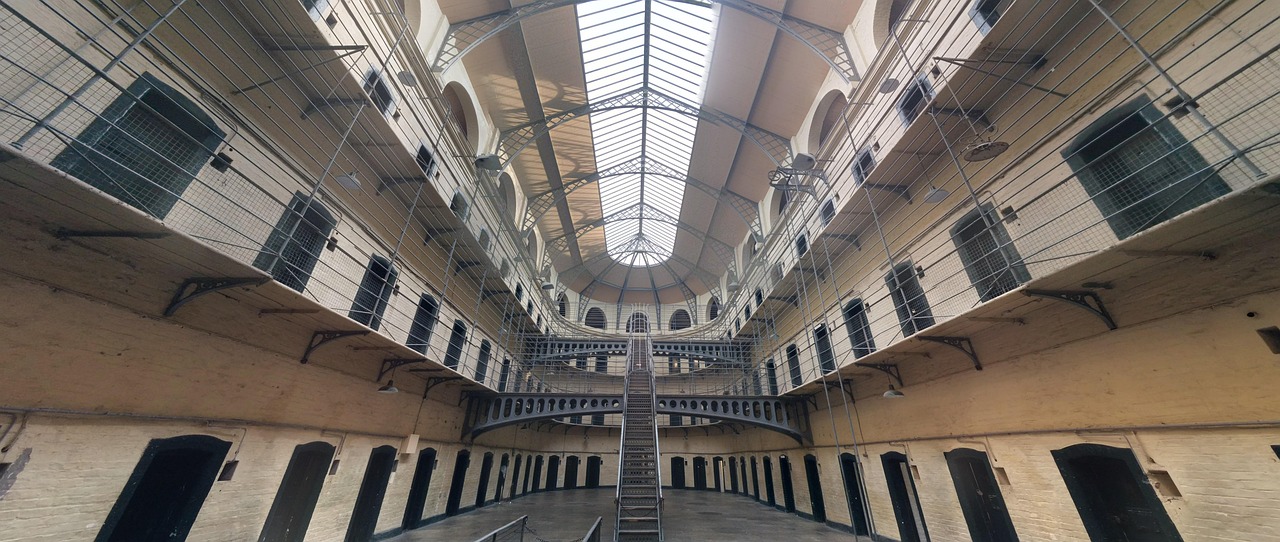
By the 18th century, patronage in European art had started to tilt away from private wealth and sacred commissions. Instead, institutions stepped in. Museums, art academies, and salons became new centers of validation gatekeepers deciding what counted as culture and who got to be remembered. These structures weren’t just about aesthetics. They were about control, taste, and national pride.
As Europe’s political climates shifted, so did the purpose of public art. Nationalism crept in. Governments funded monumental works to assert power, rewrite histories, or celebrate identity. This wasn’t faith based grandeur; this was civic, strategic, and often overtly political. Think less angels, more allegories of progress.
Public commissions replaced church ceilings. Cities funded sculptures and historical paintings to decorate streets, state halls, and new national galleries. Artists answered not to clergy or kings, but to juries, bureaucrats, and eventually, critics. The role of the artist evolved still dependent on power, but now entangled in ideology and public image.
The move from religious to civic patronage didn’t just change where art appeared it changed what it meant. Art had new jobs to do. And it had to prove its worth in the public square.
Modern Patronage: Galleries, Collectors & Digital Influence
Today, the success of an artist isn’t just about gallery walls or wealthy benefactors. It’s about visibility, connection, and agility. Modern collectors and curators do more than buy they guide trends. When a collector posts a newly acquired piece to thousands of followers, it’s not just decoration; it’s signal boosting. Curators, too, are acting more like influencers, building thematic shows and online exhibits that elevate emerging voices.
Then there’s the internet, redefining the patronage model entirely. Crowdfunding platforms like Patreon or Kickstarter let fans invest directly in the creative process. Artists aren’t waiting for approval they’re building loyal audiences that want the work to exist. NFTs once sparked chaos, but they also cracked open a new system of artist ownership and digital scarcity. Whether it’s minting a video loop or selling digital zines, artists now have tools to bypass gatekeepers.
Digital platforms empower creators. Instagram, TikTok, and even niche Discords let visual artists showcase in real time, test ideas, and build global micro audiences without needing gallery representation. The trade off? Artists take on more roles creator, marketer, strategist but they also gain options. Autonomy doesn’t mean isolation. It means power to choose who gets to see the work, and how it’s seen.
Contemporary Resources that Keep Patronage Alive
As traditional patronage models evolve, new digital tools are stepping in to connect artists with audiences and supporters. These platforms help ensure that art continues to receive visibility even beyond the walls of galleries and museums.
Discover Emerging Talent Through Online Directories
More artists are being discovered through curated online platforms than ever before. These directories serve as modern day marketplaces, offering viewers a chance to browse, commission, and support artists directly.
Allow artists to showcase portfolios to global audiences
Highlight both established and up and coming talent
Serve as powerful tools for curators, buyers, and enthusiasts seeking fresh work
Curated Sources Drive Cultural Discovery
Rather than scrolling endlessly through social feeds, curated art sources bring attention to thoughtfully selected works. These platforms focus on quality over quantity and often spotlight marginalized or underrepresented creators.
Look for sources that:
Focus on specific media or themes
Offer critical writing or artist interviews
Organize virtual exhibitions or newsletters featuring new talents
Explore this Resource: ArcyArt’s Latest Painting Directory
One standout tool in this space is the latest painting directory from ArcyArt. It reflects current trends in artist visibility and provides a well curated guide to painting practices across the contemporary landscape.
This directory focuses on:
Highlighting emerging names in the painting world
Connecting artists with collectors, curators, and institutions
Emphasizing diversity, technique, and evolving media
As patronage continues to shift, these resources help bridge the gap offering artists both exposure and opportunity in a decentralized digital era.
Looking Ahead
Art is no longer confined to studios, salons, or even gallery walls. As AI and new media continue to expand the tools artists use and the channels through which they reach audiences, the core dynamic of artistic patronage is shifting. Algorithms can now act as unofficial patrons curating visibility, driving traffic, and shaping taste. In this system, exposure becomes more accessible, but more unpredictable, too.
Meanwhile, traditional institutions museums, academies, private collectors are being challenged to stay relevant in a decentralized art world. They can no longer claim exclusive access or authority. In response, some are adapting, integrating digital programs, embracing emerging media, and actively scouting talent online.
The bottom line: creators now walk a thin line between reach and authenticity. Chase exposure too hard, and the work risks losing what makes it worth sharing. Ignore modern tools, and you risk obscurity. Artists heading into this next era will need to think strategically not just about where their art lives, but who controls the story around it.
 Brian Ochoaller writes the kind of creative inspiration from the past content that people actually send to each other. Not because it's flashy or controversial, but because it's the sort of thing where you read it and immediately think of three people who need to see it. Brian has a talent for identifying the questions that a lot of people have but haven't quite figured out how to articulate yet — and then answering them properly.
They covers a lot of ground: Creative Inspiration from the Past, Art Movements Explained, Exhibition Reviews and Highlights, and plenty of adjacent territory that doesn't always get treated with the same seriousness. The consistency across all of it is a certain kind of respect for the reader. Brian doesn't assume people are stupid, and they doesn't assume they know everything either. They writes for someone who is genuinely trying to figure something out — because that's usually who's actually reading. That assumption shapes everything from how they structures an explanation to how much background they includes before getting to the point.
Beyond the practical stuff, there's something in Brian's writing that reflects a real investment in the subject — not performed enthusiasm, but the kind of sustained interest that produces insight over time. They has been paying attention to creative inspiration from the past long enough that they notices things a more casual observer would miss. That depth shows up in the work in ways that are hard to fake.
Brian Ochoaller writes the kind of creative inspiration from the past content that people actually send to each other. Not because it's flashy or controversial, but because it's the sort of thing where you read it and immediately think of three people who need to see it. Brian has a talent for identifying the questions that a lot of people have but haven't quite figured out how to articulate yet — and then answering them properly.
They covers a lot of ground: Creative Inspiration from the Past, Art Movements Explained, Exhibition Reviews and Highlights, and plenty of adjacent territory that doesn't always get treated with the same seriousness. The consistency across all of it is a certain kind of respect for the reader. Brian doesn't assume people are stupid, and they doesn't assume they know everything either. They writes for someone who is genuinely trying to figure something out — because that's usually who's actually reading. That assumption shapes everything from how they structures an explanation to how much background they includes before getting to the point.
Beyond the practical stuff, there's something in Brian's writing that reflects a real investment in the subject — not performed enthusiasm, but the kind of sustained interest that produces insight over time. They has been paying attention to creative inspiration from the past long enough that they notices things a more casual observer would miss. That depth shows up in the work in ways that are hard to fake.