From Symbols to Statements
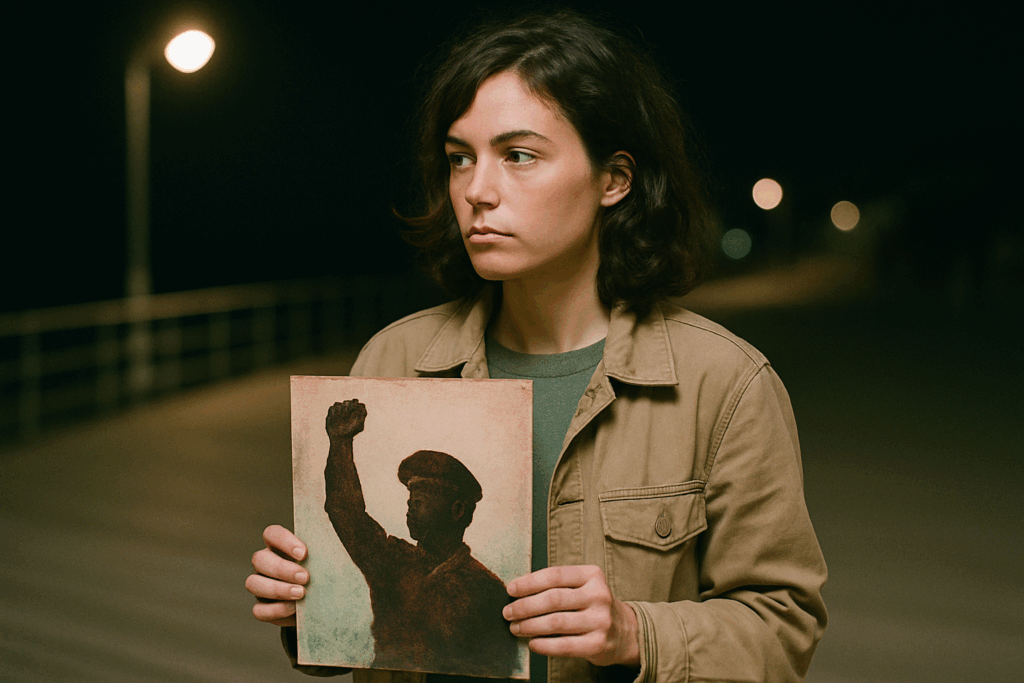
Art’s role in shaping politics didn’t start with manifestos or museums. From the beginning, it’s been entangled with power. Long before gallery openings and social media, rulers used visual language to reinforce control to immortalize themselves in stone, paint, and gold. Think epic murals etched onto temple walls, or statues built to tower over city squares. These weren’t just decorations. They were declarations: of dominance, of divinity, of national identity.
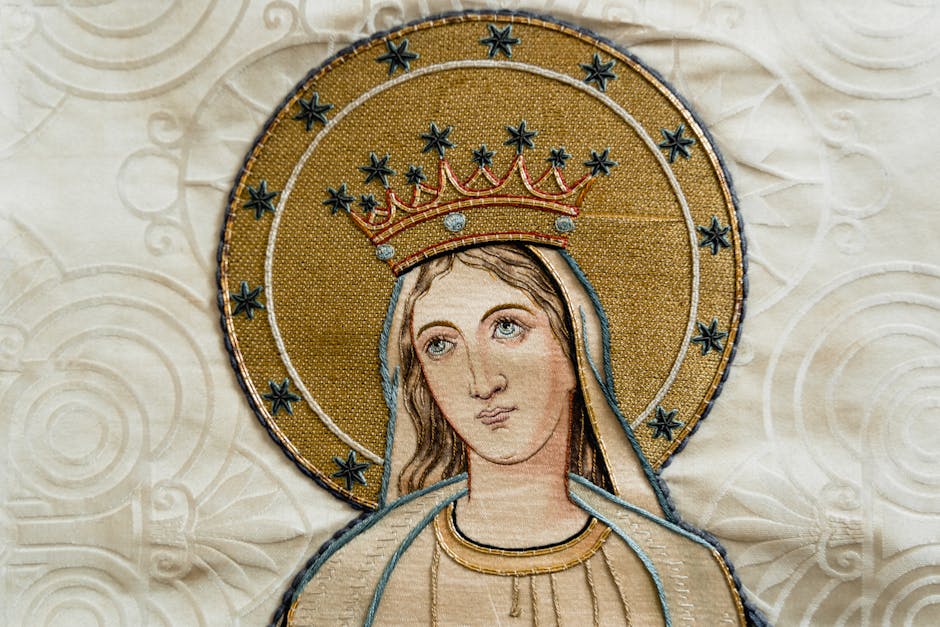
Religious icons added another layer. In many civilizations, belief systems were visualized through sacred image crafted with precision to serve spiritual and state power. Whether a pharaoh in Egypt or an emperor in Rome, leaders understood the utility of art to echo authority. Even in early societies, creators wielded chisels and brushes with political purpose. The medium changed over centuries, but the message stayed sharp: art speaks when other tools fall short.
Art as a Tool of Resistance
Throughout history, art has played a central role in challenging authority and inspiring change. Far from being passive or decorative, it has fueled revolutions, educated populations, and provided a voice for the oppressed.
Revolutionary France: Painting Revolution into the Frame
One of the most powerful examples of politically charged art comes from the French Revolution. Jacques Louis David’s 1793 painting, The Death of Marat, immortalized the radical journalist Jean Paul Marat as a martyr for the Republic.
David’s neoclassical style gave the death scene an almost religious sanctity
The work was used as revolutionary propaganda to unite sympathizers and demonize royalists
Hung publicly, the painting became both a mourning symbol and a call to action
Mexican Muralism: Walls with a Voice
In the early 20th century, the Mexican muralist movement emerged as a way to reconnect people with their history and to push back against foreign influence and corruption.
Key figures included:
Diego Rivera: Portrayed industrial workers, revolutions, and anti imperialist themes in massive public murals
José Clemente Orozco: Opted for emotional intensity and focused on human suffering and moral ambiguity
David Alfaro Siqueiros: Known for his dynamic, experimental techniques and his open denunciation of fascism and capitalism
These murals, painted on schools, government buildings, and public walls, made politics accessible to the masses through large scale storytelling.
The U.S. Civil Rights Era: Art Behind the Movement
During the 1960s, visual media became a form of resistance and mobilization for civil rights activists in the United States.
Photography: Captured stark realities of segregation, police brutality, and protest, moving public opinion and pressuring lawmakers
Poster art: Emphasized slogans, solidarity, and striking visuals becoming iconic symbols of protest marches and sit ins
Art in this period didn’t just support the message it was an active participant in crafting the message itself.
From the walls of revolutionary palaces to the posters carried through American streets, creative expression has repeatedly served as the heart of resistance.
Wartime Propaganda and Power
During World War II, art was weaponized. Both the Allied and Axis powers leaned heavily on posters, films, and literature not just to inform but to control. Messages were loud, clear, and often exaggerated: Join the fight. Fear the enemy. Stay loyal. Whether it was Rosie the Riveter flexing in American factories or German cinema glorifying the Reich, governments understood the emotional pull of visual storytelling.
The Soviets took things even further. Early on, avant garde artists experimented with bold forms to express the promise of revolution art was fresh, abstract, and full of energy. But under Stalin, that creative freedom shrank. Socialist realism became the state’s official style: everything had to show a strong, smiling worker or a benevolent leader. The brush became a tool for myth making. Art wasn’t meant to provoke anymore it was meant to conform.
This era proved one thing: when political power tightens its grip, art doesn’t vanish. It’s reshaped. Sometimes it pushes back. Sometimes it carries the party line. Either way, it stays deadly relevant.
Modern Voices and Global Movements
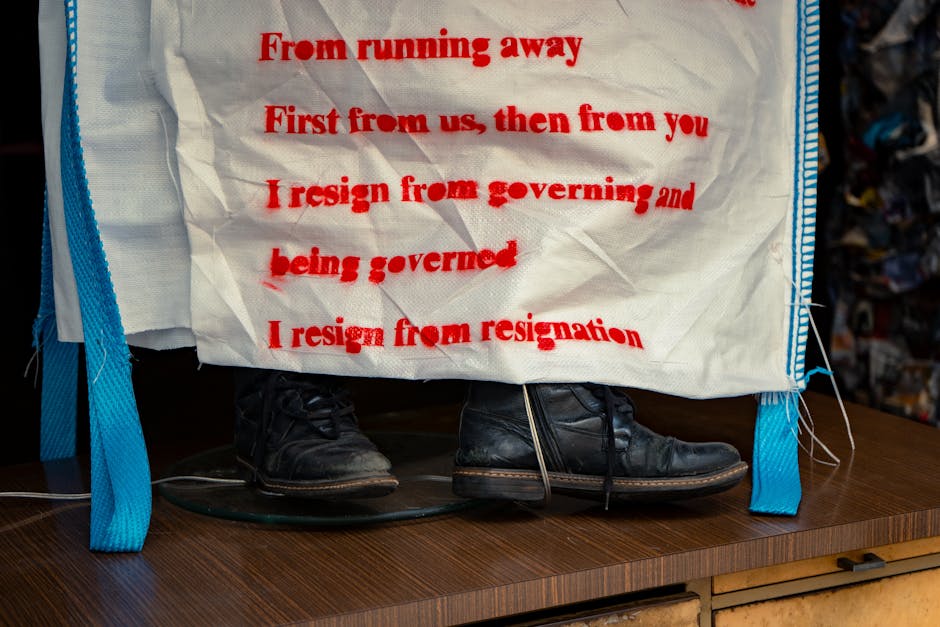
Banksy, Ai Weiwei, and JR don’t just make art they make noise. Their work cuts through clutter, leveraging public spaces and digital virality to say what institutions won’t. Graffiti on a war damaged wall. A massive portrait in an occupied zone. A sculpture dropped in a city square without permission. These aren’t stunts they’re targeted critiques of power structures, surveillance, displacement, and injustice.
And they travel far. A stencil under a bridge crosses continents within hours online. Ai Weiwei’s repurposing of surveillance tools stings twice: once in street form, again as a viral image. JR’s portraits plastered across favelas, rooftops, and border fences shift lofty political debates into blunt human terms. Eyes looking back. Faces that can’t be ignored.
The power of visual storytelling in protest isn’t new, but its scale in the digital age is. From Tiananmen to BLM marches, protest art has given movements their symbol, their message, their urgency. Sometimes it’s as simple as a sign; sometimes it’s a projection mapped onto a government building. Each act contributes to the emotional imprint of resistance.
What’s changed is access. In nations tightening the screws on speech, digital art spaces and decentralized NFT platforms offer new ways to speak out and make it stick. For underground creators in authoritarian regions, minting artwork on blockchain isn’t hype it’s survival. It preserves their voice, their safety, and their message in ways that ink and paper never could.
Stay informed on current examples and new artists pushing boundaries in politics via the latest art news.
The Echo Continues
Art isn’t just a mirror it’s a spark. Throughout history, creative expression has done more than document struggle; it has provoked new waves of thought, resistance, and, at times, outright revolution. From sprawling murals to silent performances, the message lands without needing permission.
Today, that influence is louder, and faster. As digital platforms evolve, a piece of art hitting the right nerve can ripple across borders in seconds. Artists aren’t waiting on galleries or grants they’re uploading, rallying, and calling out institutions in real time. What once took decades to build now unfolds in a month of online traction.
And with technology tightening its grip on how we exchange ideas, the artist’s reach and responsibility only grows. In an age of spin and distraction, art cuts through. Politicians may set the stage, but artists often rewrite the script.
For ongoing updates on politically charged movements and artistic innovation, check out the latest art news.
 Ask Maryanne Smithack how they got into art movements explained and you'll probably get a longer answer than you expected. The short version: Maryanne started doing it, got genuinely hooked, and at some point realized they had accumulated enough hard-won knowledge that it would be a waste not to share it. So they started writing.
What makes Maryanne worth reading is that they skips the obvious stuff. Nobody needs another surface-level take on Art Movements Explained, Techniques of Historical Artists, Art History Insights. What readers actually want is the nuance — the part that only becomes clear after you've made a few mistakes and figured out why. That's the territory Maryanne operates in. The writing is direct, occasionally blunt, and always built around what's actually true rather than what sounds good in an article. They has little patience for filler, which means they's pieces tend to be denser with real information than the average post on the same subject.
Maryanne doesn't write to impress anyone. They writes because they has things to say that they genuinely thinks people should hear. That motivation — basic as it sounds — produces something noticeably different from content written for clicks or word count. Readers pick up on it. The comments on Maryanne's work tend to reflect that.
Ask Maryanne Smithack how they got into art movements explained and you'll probably get a longer answer than you expected. The short version: Maryanne started doing it, got genuinely hooked, and at some point realized they had accumulated enough hard-won knowledge that it would be a waste not to share it. So they started writing.
What makes Maryanne worth reading is that they skips the obvious stuff. Nobody needs another surface-level take on Art Movements Explained, Techniques of Historical Artists, Art History Insights. What readers actually want is the nuance — the part that only becomes clear after you've made a few mistakes and figured out why. That's the territory Maryanne operates in. The writing is direct, occasionally blunt, and always built around what's actually true rather than what sounds good in an article. They has little patience for filler, which means they's pieces tend to be denser with real information than the average post on the same subject.
Maryanne doesn't write to impress anyone. They writes because they has things to say that they genuinely thinks people should hear. That motivation — basic as it sounds — produces something noticeably different from content written for clicks or word count. Readers pick up on it. The comments on Maryanne's work tend to reflect that.