What Surrealism Sparked Beneath the Surface
Surrealism wasn’t just about melting clocks and dreamlike scenery it was a direct challenge to how we process the world. Born in the aftermath of World War I, the movement rejected rationalism and embraced what felt raw and unpredictable: dreams, instincts, fragments of memory. Artists and writers dug beneath surface logic to explore the strange terrain of the subconscious, treating it not as a mystery to solve but a source of creative fire.
This wasn’t art for galleries alone it was an experiment in how to think. Automatism, free association, dream journaling these techniques weren’t about perfection, but honesty. They helped creators bypass the filters of reason and access something more primal. That shift underpins how we now talk about “creative flow” or “getting out of your head” ideas born directly from surrealist practice.
Today, this legacy lives on, often in disguised form. The logic of the subconscious nonlinear, symbolic, emotionally charged still frames how stories are told, albums are composed, and even how some brands design their messages. Surrealism taught us that confusion isn’t always a problem to fix. Sometimes, it’s where the real ideas live.
From Dalí to Digital: Surrealism’s Evolution
Classic surrealist techniques weren’t just artistic quirks they were tools for unlocking deeper layers of the mind. Automatism invited impulse over intention. Juxtaposition forced the familiar and the strange into the same frame. Dream imagery blurred the line between reality and subconscious fantasy. These tools haven’t died. They’ve mutated.
Modern digital artists are reworking the surrealist playbook across platforms and mediums the original movement never dreamed of. With programs like Procreate and Photoshop, creators build dreamscapes with unnerving precision. AI art generators like Midjourney and DALL·E let artists prompt the irrational directly, feeding keywords and watching the machine generate unsettling hybrids sometimes chaotic, sometimes shockingly poetic. This isn’t just surrealism reborn; it’s surrealism re coded.
VR installations are another frontier. In these immersive worlds, viewers don’t just look at dreamlike scenes they walk through them. Spaces shift underfoot, logic warps, and the boundary between observer and dream state disappears. Concept artists, game developers, and virtual architects are now the torchbearers of a movement that thrives on bending time, space, and story logic.
Surrealism’s evolution isn’t nostalgic. It’s adaptive. As the tools change, so does the method but the core remains the same: release control, let the chaos in, and see what bubbles up.
(See also: update from ArcyArt)
Surrealist Echoes in Pop Culture and Design
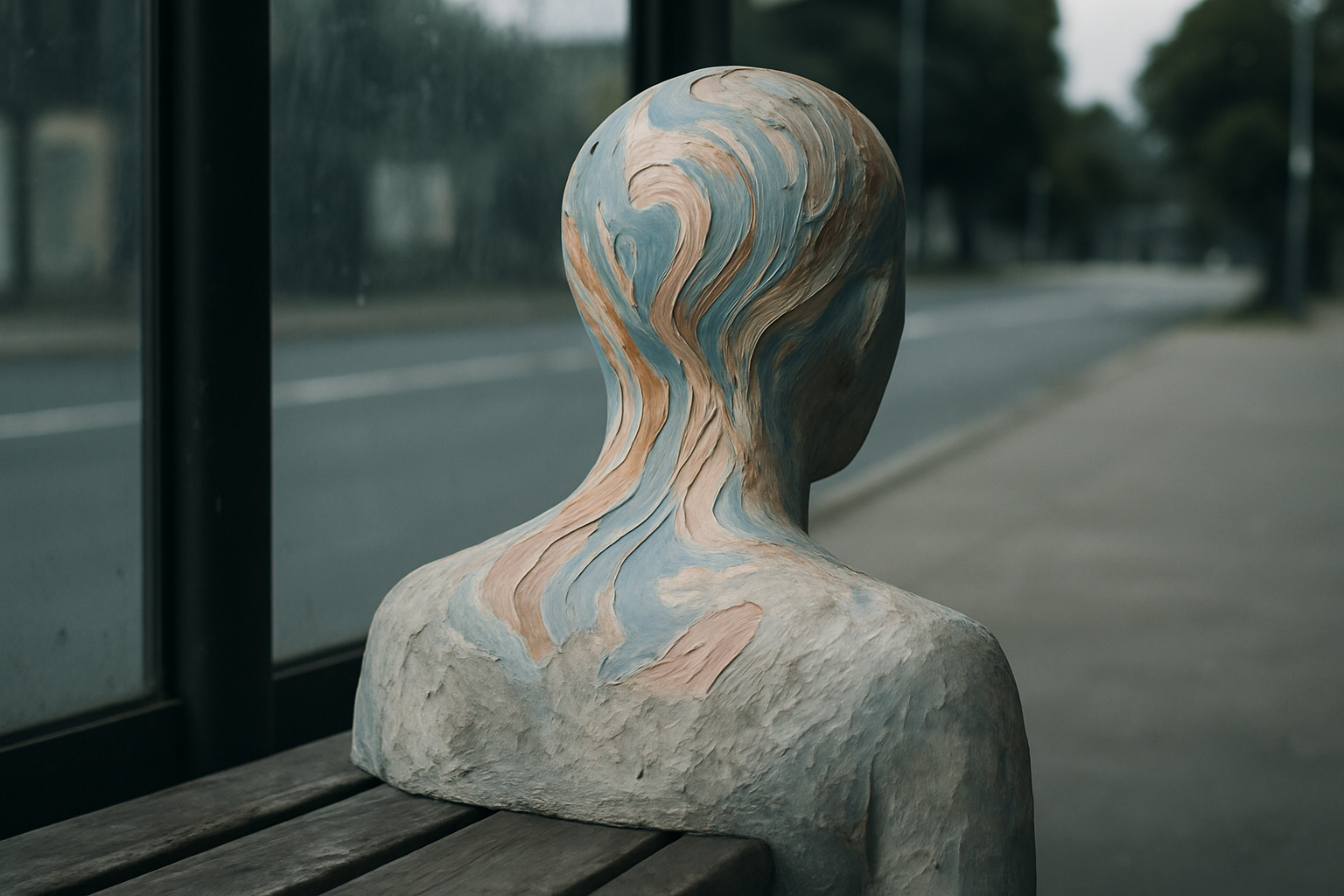
Surrealism isn’t just hanging in galleries it’s stitched into the seams of pop culture. Music videos warp space and time, fashion blends fantasy with absurd proportions, and films blur the line between dream and documentary. We’re used to it now, but rewind: none of this was obvious before surrealist art cracked things open.
Take Salvador Dalí not just a painter, but a showman who made surrealism cinematic. His collaboration with Alfred Hitchcock on the dream sequence in Spellbound brought pure subconscious onto the screen. Filmmakers like David Lynch and Panos Cosmatos picked up that thread, folding twisted visuals into narratives that feel more emotional than logical.
Today, you can spot surrealist DNA in Gen Z aesthetics glitchcore TikToks, dream drenched streetwear, and Instagram art that seems to come from another dimension. It’s visual storytelling that plays more with instinct than instruction. It doesn’t always tell you what to think. That’s the point.
Even UX and digital design are tapping into it. Interfaces that feel like dream landscapes disorienting in planned ways are helping brands stand out. Micro interactions and animations that defy realism create an experience closer to feeling than function. It’s not chaos for the sake of it. It’s surrealist strategy: tilt the normal just enough to wake people up.
Creative Fields Still Drawing from the Dream State
Across modern creative disciplines, surrealism is more than an echo it’s a living strategy. In advertising, brands push beyond logic to speak to the gut. Campaigns now favor irrational, bizarre visuals that grab attention before viewers can rationalize them. These images tap directly into emotion. You aren’t supposed to fully understand the meaning you’re supposed to feel something first. That emotional tug? It sticks.
In architecture and physical design, the subconscious is speaking louder, too. Organic shapes, unexpected pathways, and fluid spatial logic define many newly built environments. These spaces aren’t made just to function they’re built to evoke. Think dreamlike atriums, floating staircases, and shapes that imply memory, not blueprint. The goal: resonate deeply, even if the user can’t explain why.
Meanwhile, virtual landscapes are becoming full blown surrealist paintings you can walk through. Game designers and metaverse architects are constructing environments where logic takes a step back. Floating terrain, distorted physics, nonlinear time these aren’t bugs, they’re features. The result is immersion that feels more like memory than simulation.
Surrealism isn’t just referenced it’s being retooled as a creative framework across industries. For those seeking visual proof, see this update from ArcyArt.
Why It Matters Now
In a world dominated by logic, data, and efficiency, surrealism reminds us of something easily overlooked: the value of emotion, intuition, and ambiguity in the creative process.
Reclaiming Emotion and Intuition
Modern creativity often leans heavily on precision metrics, algorithms, strict workflows. Surrealism disrupts that by urging creators to explore the inner world:
Emotion as an entry point to innovative ideas
Intuition as a guide for creative decision making
Artistic honesty over polished optimization
By embracing the irrational, artists and thinkers can access unexpected forms of insight that algorithms can’t predict.
The Subconscious as a Creative Tool
Rather than seeing the subconscious as mysterious or inaccessible, surrealism treats it as a legitimate part of the creative toolkit:
Dream logic generating unique storylines and visual styles
Automatic writing and drawing unlocking original content
Free association leading to breakthrough ideas
This approach has gained fresh relevance in disciplines like design thinking, where problem solving often emerges from nonlinear thinking.
Embracing Ambiguity = Unlocking Possibility
Ambiguity can feel uncomfortable, but surrealism thrives within that discomfort turning uncertainty into creative potential:
Open ended visuals and narratives invite deeper interpretation
Strange or illogical imagery sparks curiosity and engagement
Meaning becomes a co creation between viewer and artist
Rather than resolving the surreal, creators are learning to harness it transforming contradictions and complexity into artistic assets.
Ultimately, surrealism offers a counterbalance to the hyper rational. It encourages us to ask questions instead of rushing to answer them and that’s where some of the most powerful creative breakthroughs still begin.