Rebirth of Tradition
Contemporary artists aren’t just looking back they’re reaching across centuries to enter a dialogue with classical masters. The result is a rich interplay between past and present, where traditional techniques are revisited, reimagined, and in some cases, redefined entirely.
Engaging with Classical Techniques
Modern creators are resurrecting foundational elements of Renaissance and Baroque art to embed their work with depth and technical richness:
Revival of Academic Process: Many artists are returning to classical training methods, including live figure drawing, grisaille underpainting, and layered glazing.
Old Tools, New Voices: From hand mixed pigments to gold leaf, these tools are employed with contemporary intent be it commentary, critique, or celebration.
Formal Mastery Reapplied: Perspective, proportion, and anatomical precision are not merely quoted but used as frameworks for modern exploration.
Homage vs. Subversion
A central tension throughout the exhibit lies in how artists honor tradition while simultaneously challenging it.
Homage:
Direct visual echoes of works by Caravaggio, Titian, and Vermeer
Inclusion of classical iconography, poses, and narrative tropes
Intent to preserve and elevate time honored disciplines
Subversion:
Insertion of modern symbols and provocations into familiar formats
Juxtaposition of sacred imagery with pop aesthetics or political themes
Questioning the elitism or gender narratives in historical art standards
This back and forth between reverence and rebellion creates a dynamic visual conversation, pushing the viewer to reconsider what ‘mastery’ means in today’s context.
21st Century Narratives Meet Old World Aesthetics
Contemporary issues identity, displacement, climate, surveillance are being crafted through a classical visual lens. Instead of painting over the past, artists are layering modern meaning atop historic structure.
Example Subjects: A Madonna figure as a refugee, or an oil portrait interwoven with digital glitch effects
Modern Structures in Classical Dress: Storytelling that uses biblical or mythological formats to address today’s socio political realities
Cultural Remixing: Exploring non Western narratives through European traditions, challenging colonial histories embedded in art history
In doing so, the artists make a compelling case: the Old Masters are not relics they’re collaborators, reawakened in modern form.
Spotlight on Standout Works
Some works in the Contemporary Reimaginings of Old Masters expo demanded pause not because they mimicked the past perfectly, but because they challenged it boldly. These standout pieces didn’t merely replicate classical language; they reinvented it, layering new commentary onto familiar forms.
Reframing the Language of the Old Masters
The most compelling works took visual cues from Renaissance symmetry or Baroque drama and reinterpreted them through a fresh socio political lens. Artists used classical compositional balance or light techniques to frame modern struggles identity, inequality, climate anxiety transforming beauty into critique.
Examples of this recontextualization include:
A reinterpretation of Caravaggio’s chiaroscuro to highlight racial injustice
A Pietà inspired installation that substitutes sculptures with industrial waste
Portraits modeled after Titian, updated with gender fluid subjects and contemporary attire
Modern Materials, Timeless Dialogue
Traditional oil and canvas gave way to hybrids and experimentation. Artists pulled from the digital and physical world to disrupt the visual field:
Digital overlays projected over classical reproductions for temporal layering
Found objects plastic, rusted machinery, personal artifacts woven into canvases
Mixed media hybrids, merging pastel, oil, resin, and LED lighting to create interactive depth
The result was a kind of living painting an artwork that reflects past conventions while embodying present day urgency.
Carrying Emotional and Political Weight
Beyond technical innovation, emotional gravity defined the strongest reinterpretations. Unlike the reserved grandeur of traditional works, these pieces often bled vulnerability and protest.
Themes explored included:
Personal grief visualized in contrast to classical serenity
Political upheaval cloaked in scenes of myth like composition
Cultural displacement rendered in fragmented neoclassical imagery
What emerged was a body of work that navigated tension between reverence and resistance ultimately asking viewers to see not just the evolution of art, but the active rewriting of its relevance.
Technique Matters More Than Ever
Classical oil painting isn’t just nostalgia anymore it’s back on the frontlines of contemporary practice. Despite the rapid rise of digital media and experimental materials, more and more artists are returning to techniques honed over centuries. Think multi layered glazes, the heavy contrasts of chiaroscuro, and the illusion of depth created through atmospheric perspective. These aren’t just aesthetic choices they’re strategic tools for anchoring modern visuals in historical gravitas.
This renewed focus on technical rigor marks a shift from concept first to craft driven work. Artists are using these labor intensive processes not just to show they can paint, but to slow viewers down. A hazy light across a cheekbone, a rich background built up over weeks of thin glazes these things pull viewers in and make them stay.
For those curious about how and where these techniques are being taught or rediscovered, new resources are emerging. Training directories, updated pigment suppliers, even niche workshops are fueling this quiet revival. Check out oil painting updates for a curated look at where tradition is gaining fresh traction.
Space, Curation, and the Viewer’s Role

The exhibit’s layout wasn’t just a backdrop it acted like a map, nudging viewers into a narrative, room by room. Early galleries grounded the visitor in classical references: clean lines, echoing halls, and traditional spacing. As the show unfolded, things got tighter, louder, more layered mirroring the shift from reverence to reinterpretation. Viewers didn’t just observe; they followed the emotional arc.
Lighting was another quiet force. Spotlights pulled focus to moments of high drama deep shadows cut across bold modern strokes layered on classic imagery. Gentle up lighting made quiet works feel like whispered secrets, while stark contrasts between rooms pushed tension: who owns the legacy of an old master the past, or the artist who rewrites it?
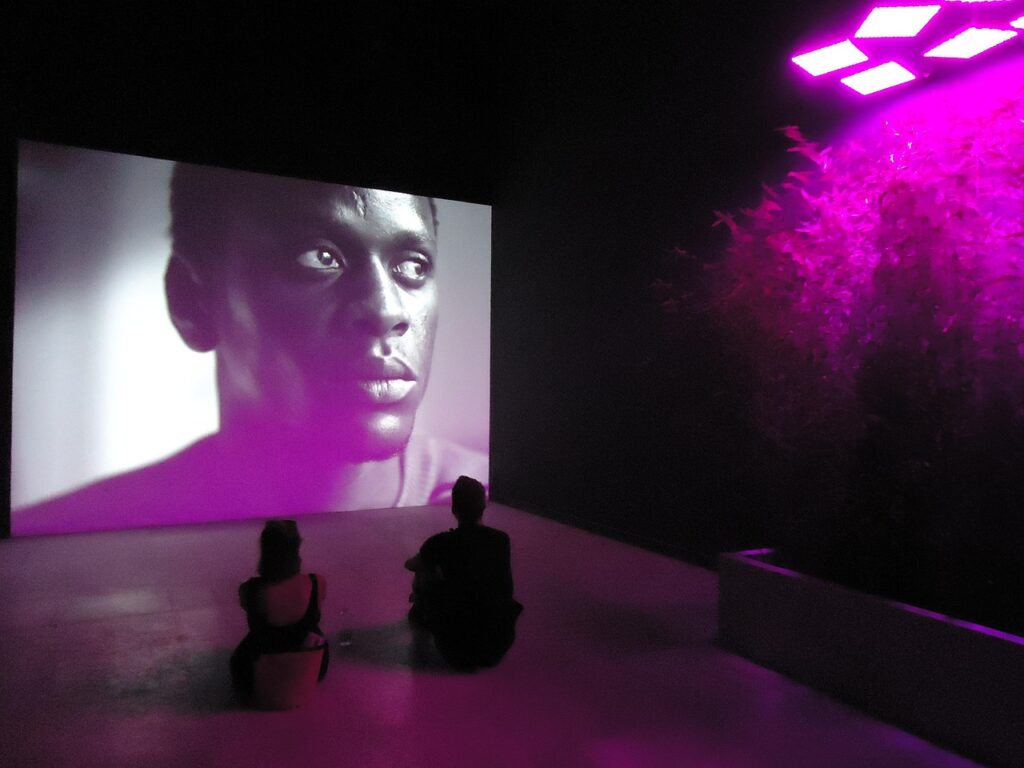
Then came the breaks in the fourth wall. Some artists invited literal touch: touchscreen displays let viewers remix color palettes originally used by Caravaggio. Video loops challenged the stillness of painted works. One hallway ended in a digital mirror that placed the viewer into a live composite of their face blended with a historic portrait a quiet challenge to the idea of “master” at all. Feedback walls filled with scrawled thoughts, questions, and dissent made it clear: this show wasn’t just curated. It was a collaboration between viewer and vision.
The Tension Between Reverence and Innovation
In this exhibit, the line between tribute and transformation wasn’t just thin it was intentionally smudged. Some artists leaned into direct homage, borrowing composition and form while slipping in modern motifs. Others pushed further, reengineering classic works to the point of near unrecognizability. The debate is less about where the line is and more about why crossing it feels necessary.
One of the most talked about pieces, for instance, recast Caravaggio’s “The Calling of Saint Matthew” with NFT inspired overlays and a live data feed reflecting current economic inequality. Viewers were split. Was this a powerful extension of Baroque storytelling into the digital age, or just spectacle in borrowed robes?
Another piece a quiet reinterpretation of Vermeer’s “Girl with a Pearl Earring” made from translucent recycled plastics sparked a different kind of response. Some saw it as poetic commentary on fragility, others as disrespectful. It forced questions not just about medium, but about motive.
Curators weighed in with a clear stance: these reinterpretations aren’t about replacing the canon, but reactivating it. The catalogue reads: “To honor tradition, one must let it move breathe differently. Innovation, at its best, is an act of listening as much as changing.”
It’s a high wire act: balancing admiration with reinvention. And as this show proves, tension is where the dialogue starts not where it fails.
Reinforcing the Relevance of Oil Painting
Reinterpretations aren’t just clever they’re necessary. In a digital first landscape, oil painting could easily be shelved as museum decor. But when contemporary artists step in with fresh angles, the medium wakes up. They borrow the bones of tradition and pair them with new bodies: protest, identity, technology. The result? Something timeless that still hits a modern nerve.
Oil itself helps fuel this evolution. It’s slow, layered, demanding qualities that resist the swipe fast culture we’re all steeped in. But in that resistance is power. Each canvas becomes a conversation: old gestures wrestled into new meanings. And unlike fixed digital art, oils can be scraped, reworked, pushed further. They change with the hand and often, with the times.
For artists looking to dig deeper, the growing catalog of oil painting updates is worth a look. It offers a window into how artists today are stretching the medium without severing its roots.
Final Take
This expo did more than showcase technical finesse or nod politely at the past it pulled the Old Masters into the now. Instead of distant icons hanging in polite silence, the works felt wired into the present. Through lighting, curation, and context, the exhibit created something rare: urgency. Viewers weren’t just observing history they were engaging with it.
What made this successful wasn’t nostalgia. It was skill. The featured artists didn’t water down their technique for accessibility. They leaned harder into it, using classical methods to deliver commentary about today’s social tensions, identity, and environment. In that, they proved something essential: tradition isn’t the opposite of innovation it’s a platform for it.
Ultimately, this exhibit argued, quietly but firmly, that history belongs in our messy present. That honoring the past doesn’t require freezing it. And that real mastery is knowing how to carry it forward without losing your own voice.