What’s Changing in the Gallery Scene
Art institutions are embracing transformation. Across the global gallery landscape, a noticeable shift is underway: classical artworks are no longer frozen in the past they’re actively participating in conversations about the now.
Classical Meets Contemporary
Curators and museum directors are increasingly choosing to highlight how timeless works can reflect today’s pressing issues. Rather than relegating these pieces to aesthetic admiration, they are being reframed through lenses that resonate with modern audiences.
Climate Change: Landscapes by 18th century artists are being revisited to highlight the contrast between historical serenity and today’s environmental crises.
Identity: Portraits once praised for their form or technique are now examined through discussions around race, gender, and power structures.
Social Justice: Religious or mythological scenes are being used to spark dialogue about inequality, resistance, and justice in today’s world.
A New Lens on the Classics
This shift isn’t about revising history it’s about opening it up. By pairing age old masterpieces with modern narratives, institutions invite viewers to:
See old stories in a new light
Reflect on how themes from centuries ago still shape our present
Engage with art as a living, evolving form
Today’s reinterpretations recognize that art is not static. In a rapidly changing world, revisiting the past through the lens of the present offers not only relevance but also revelation.
Layering Old Masters with Modern Relevance
Canonical art isn’t being rewritten it’s being recontextualized. Museums and contemporary artists are digging into the emotional and societal layers of classical works and connecting them to today’s realities. The result? A version of the past that speaks in the language of the present.
Take Rembrandt. His shadowy portraits, rich in ambiguity, now sit in exhibitions that explore themes of surveillance and privacy. In a world of always on smartphones and facial recognition, his intense gazes feel less like introspection and more like scrutiny. Botticelli’s Venus once the embodiment of idealized beauty is being reframed to explore gender fluidity and identity beyond binaries. Her emergence from the shell is now a metaphor for breaking traditional molds.
This isn’t about rewriting history or replacing the old meaning. It’s about extending it, stretching its relevance. These reinterpretations don’t erase the original narrative they build on it, making space for new questions and voices. That kind of layering is what’s making galleries feel alive again, not just preserved.
The Role of Technology in Retelling the Classics
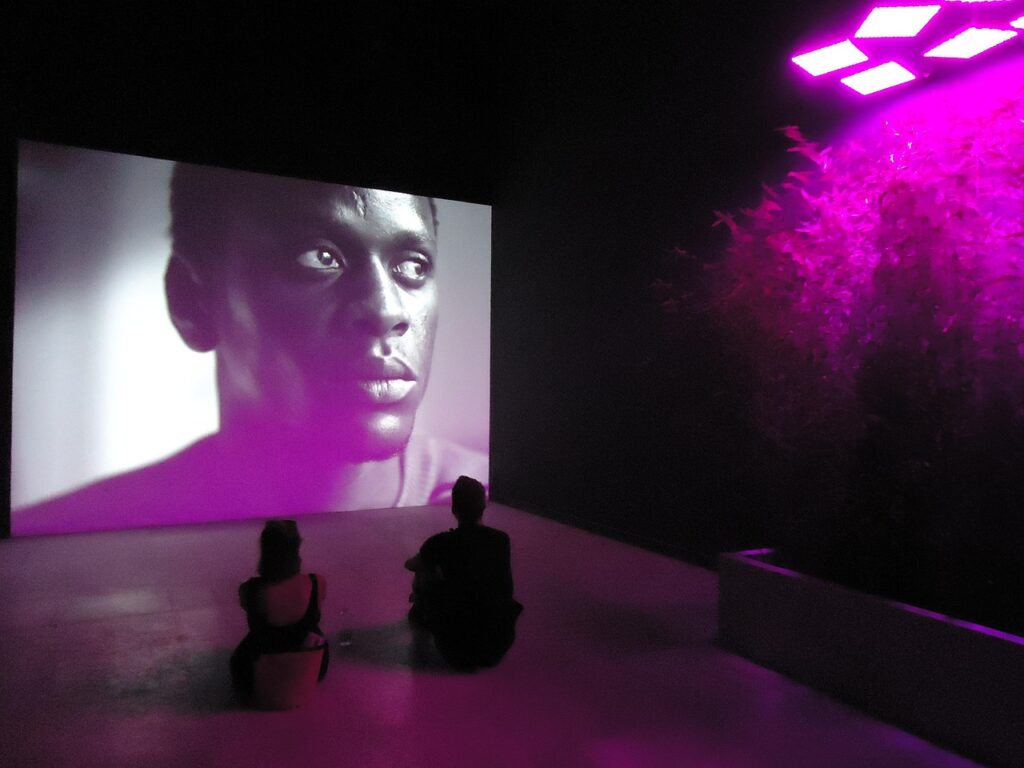
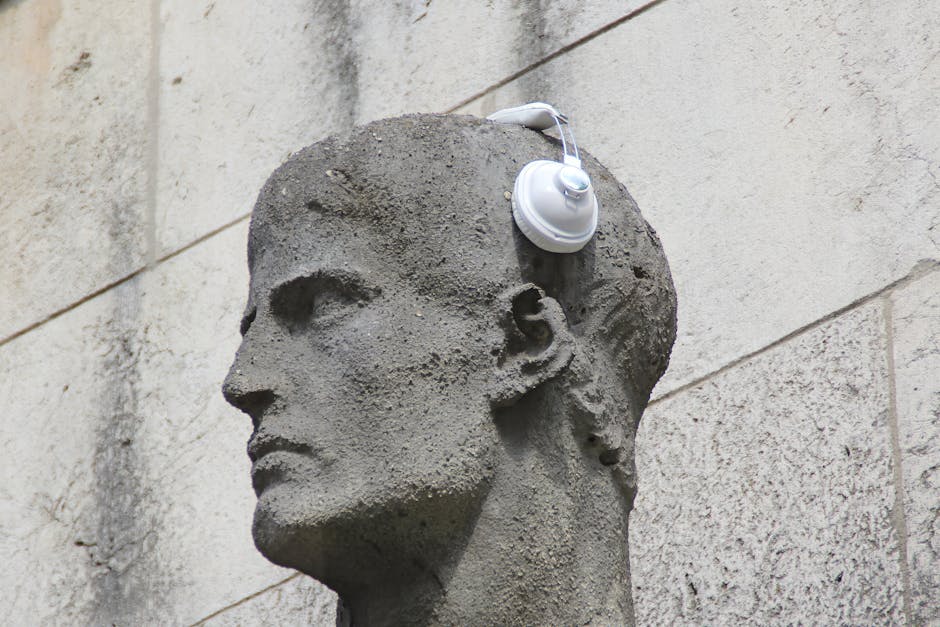
Classical art isn’t being left behind it’s being reintroduced, and tech is the bridge. Museums are layering old works with digital elements like augmented reality, immersive audio, and projection mapping. Think Caravaggio under a shifting digital sky or Vermeer scenes that whisper modern soundscapes as you move. These tools aren’t tacky distractions. Done right, they deepen the experience.
By pulling classical artwork into a multi sensory now, these technologies reposition them relevant, urgent, and hard to ignore. They connect centuries old brushstrokes to present day eyes, making stillness feel alive. For galleries struggling to catch the attention of digital first audiences, it’s more opportunity than gimmick.
Curators are using tech not to replace interpretation, but to expand it. When a viewer sees a painting come alive through layered sound or contextual animation, they’re not seeing less they’re seeing more. Tech becomes the translation, not the filter.
For deeper context on where these tools are headed, check out Interactive Art Installations You Can’t Miss This Year.
Curational Choices That Make It Work
Curators aren’t just arranging paintings anymore they’re constructing arguments, framing old masters to speak to the present. Context isn’t optional; it’s the entire point. A Rembrandt doesn’t exist in a vacuum. Positioned beside a modern photograph or layered with subtle sound design, it becomes a conversation between centuries.
The best exhibitions today are less about showing a timeline and more about telling a story. Chronological galleries still exist, but thematic layouts are gaining traction. Why? Because grouping art by idea grief, identity, power makes it easier to see its ongoing relevance. The viewer doesn’t just learn; they connect.
Thoughtful curation walks a tightrope. It doesn’t try to modernize classical work with a megaphone. It sets the stage, provides contrast, context, maybe even tension then lets the viewer meet the work on new terms. When done right, the old becomes vital again without being rewritten.
Why This Matters in 2026
Today’s audiences aren’t entering museums looking to be humbled they’re looking to connect. Especially among younger generations, there’s a clear shift: people want art that speaks to what they’re living through, not just what others lived long ago. That doesn’t mean tossing out tradition. It means making space for artworks to be part of the current conversation.
When an 18th century portrait sparks a dialogue about race, or a classical sculpture gets reframed through gender identity, engagement goes up. Museums that open this door through storytelling, curatorial voice, or interactive exhibits are the ones seeing younger, more diverse visitors and more return visits. Foot traffic grows. Online buzz builds. It’s relevance, not reverence, that wins.
The institutions that thrive in 2026 will be the ones that stop treating classical art as fixed history and start treating it as living input. That shift is already happening.
What to Keep an Eye On
The lines between classical art and activism aren’t just blurring they’re being redrawn entirely. Exhibitions today are embedding paintings, sculptures, and traditional forms into spaces charged with social purpose. Think Caravaggio pieces shown alongside narratives of incarceration reform, or Greek busts juxtaposed with calls for refugee rights. These aren’t aesthetic pairings they’re provocations. Audiences are invited not just to admire, but to question.
At the same time, the museum wall is no longer a fixed boundary. Mobile first experiences are pushing centuries old art into the palms of digital native hands. Some institutions are developing apps that let visitors explore entire exhibitions remotely, while others are leaning into platform native storytelling bringing classical pieces onto Instagram, TikTok, and AR platforms with surprising fluency. This isn’t just digital translation; it’s reinvention.
Most importantly, we’re seeing a philosophical shift away from preserving art as static beauty and toward enabling active participation. Digitization and interactivity aren’t tack ons anymore. They’re fundamental to how a new generation of curators sees their role: as facilitators of dialogue, not guardians of glass cases. In this version of the gallery, the crowd is no longer just looking. It’s speaking back.
 Veylisa Selmorne writes the kind of art history insights content that people actually send to each other. Not because it's flashy or controversial, but because it's the sort of thing where you read it and immediately think of three people who need to see it. Veylisa has a talent for identifying the questions that a lot of people have but haven't quite figured out how to articulate yet — and then answering them properly.
They covers a lot of ground: Art History Insights, Techniques of Historical Artists, Exhibition Reviews and Highlights, and plenty of adjacent territory that doesn't always get treated with the same seriousness. The consistency across all of it is a certain kind of respect for the reader. Veylisa doesn't assume people are stupid, and they doesn't assume they know everything either. They writes for someone who is genuinely trying to figure something out — because that's usually who's actually reading. That assumption shapes everything from how they structures an explanation to how much background they includes before getting to the point.
Beyond the practical stuff, there's something in Veylisa's writing that reflects a real investment in the subject — not performed enthusiasm, but the kind of sustained interest that produces insight over time. They has been paying attention to art history insights long enough that they notices things a more casual observer would miss. That depth shows up in the work in ways that are hard to fake.
Veylisa Selmorne writes the kind of art history insights content that people actually send to each other. Not because it's flashy or controversial, but because it's the sort of thing where you read it and immediately think of three people who need to see it. Veylisa has a talent for identifying the questions that a lot of people have but haven't quite figured out how to articulate yet — and then answering them properly.
They covers a lot of ground: Art History Insights, Techniques of Historical Artists, Exhibition Reviews and Highlights, and plenty of adjacent territory that doesn't always get treated with the same seriousness. The consistency across all of it is a certain kind of respect for the reader. Veylisa doesn't assume people are stupid, and they doesn't assume they know everything either. They writes for someone who is genuinely trying to figure something out — because that's usually who's actually reading. That assumption shapes everything from how they structures an explanation to how much background they includes before getting to the point.
Beyond the practical stuff, there's something in Veylisa's writing that reflects a real investment in the subject — not performed enthusiasm, but the kind of sustained interest that produces insight over time. They has been paying attention to art history insights long enough that they notices things a more casual observer would miss. That depth shows up in the work in ways that are hard to fake.