The Darkness That Changed Everything
Why Light and Shadow Matter More Than We Think
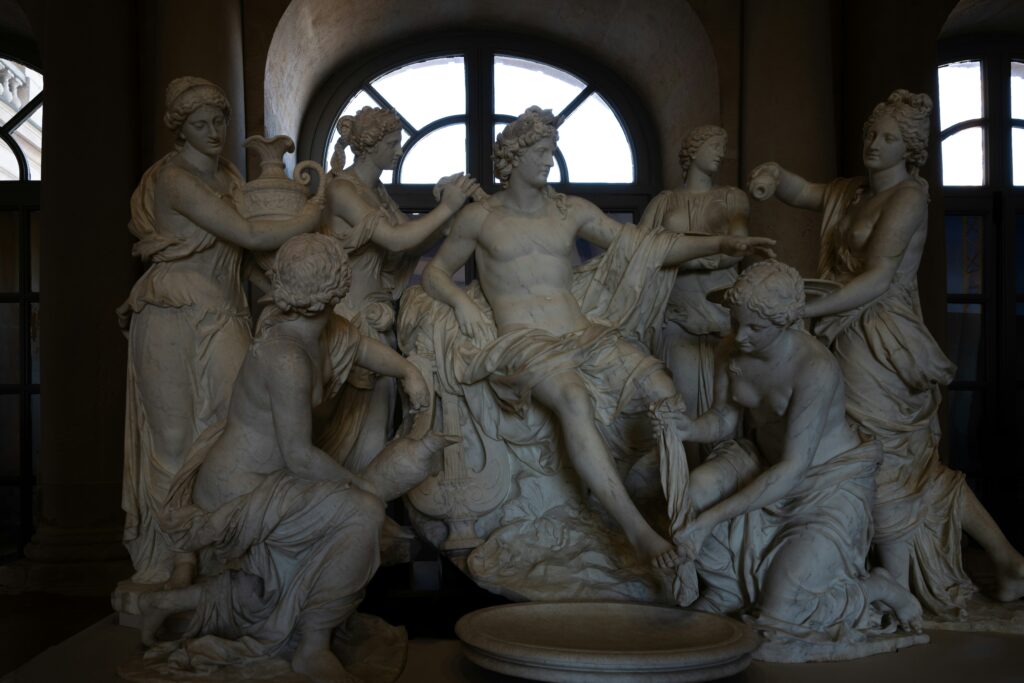
In the evolution of Western art, few tools have been as transformative as the careful use of light and its absence. Light guides the viewer’s eye, sets emotional tone, and defines space. But shadow is just as vital. Together, they shape atmosphere, intent, and realism.
Light isn’t just illumination it directs focus and reveals form
Shadow creates depth grounding figures in space and time
The interplay of both evokes mood, tension, and human complexity
When skillfully applied, the relationship between light and shadow becomes more than technique it becomes storytelling.
Caravaggio’s Theatrical Use of Contrast
Caravaggio didn’t invent chiaroscuro, but he revolutionized it. His compositions pushed contrasts further than most of his peers were willing to go. Strong beams of directional light carve out figures from pitch black backgrounds, creating a nearly cinematic intensity.
Key elements of his dramatic lighting:
Single, strong light sources similar to theatrical spotlights
Intensified contrast hard cuts between light and shadow
Emotional clarity directing the viewer’s gaze to the moral or narrative heart of the scene
This bold use of chiaroscuro amplified emotional realism and redefined how stories could be told on canvas.
Inside the Drama, Not Just in Front of It
Caravaggio’s lighting doesn’t just expose his subjects it engulfs the viewer. The darkness isn’t behind the subject, but around us. Shadows crawl toward the frame, making onlookers feel implicated, as if part of the unfolding drama.
You’re not looking at a moment; you’re inside it
Sudden highlights draw the eye, while creeping shadows pull you into unease
The viewer becomes a silent witness, often faced with no moral distance
In breaking traditional rules of lighting, Caravaggio didn’t just change art he changed the viewer’s role. His chiaroscuro made us participants in the tension and intimacy of each scene.
What Is Chiaroscuro, Really
A Quick Definition
Chiaroscuro, from the Italian words chiaro (light) and oscuro (dark), refers to the artistic technique of using strong contrasts between light and shadow to create a sense of volume and dimension. Though most closely associated with Caravaggio, the approach predates him by centuries.
Origin: Rooted in the Renaissance, chiaroscuro was originally used in drawing and painting to suggest form through graded tones
Purpose: Create realism by simulating how light falls across three dimensional surfaces
Origins Before Caravaggio
While Caravaggio pushed the method to new emotional and visual extremes, early proponents included:
Leonardo da Vinci: Used chiaroscuro to enhance anatomical precision and moodiness
Raphael and Correggio: Applied the technique to suggest a gentle naturalism rather than drama
These artists laid the technical groundwork, using delicate shifts of tone to create lifelike effects long before Caravaggio arrived on the scene.
Chiaroscuro vs. Tenebrism
Although often used interchangeably, chiaroscuro and tenebrism are not the same:
Chiaroscuro emphasizes a balanced graduation of light and shade to model volume
Tenebrism uses a more aggressive contrast, where darkness dominates and light areas are sharply spotlighted
Think of tenebrism as chiaroscuro turned up to ten. Caravaggio famously employed tenebrism to jarring, theatrical effect, setting his subjects against nearly black backgrounds where light creates intense emotional impact.
Technical Tools and Choices
To achieve his dramatic scenes, Caravaggio made specific visual choices:
Light Sources: Often implied single, directional light (like a window or candle), creating stark shadows
Controlled Shadows: Shadows weren’t random they guided the viewer’s focus and sculpted space with psychological weight
Emotional Focus: Light wasn’t just for realism it magnified moral tension, divine intervention, or human vulnerability
Each decision served not only aesthetics but emotional storytelling, which is why chiaroscuro became such a critical evolution in Western art.
Breaking Rules in the Late Renaissance
From Flat to Fierce: Lighting Before Caravaggio
Before Caravaggio, many artists within the Mannerist tradition favored uniform, even lighting. This approach emphasized elegance and idealized forms, but often left scenes feeling emotionless and visually flat.
Mannerist works used soft, diffused light without strong shadows
The goal was balance, not drama
Figures appeared stylized, often disconnected from any realistic or emotional space
Caravaggio’s Disruptive Depth
Caravaggio flipped the script by plunging his figures into dramatic contrast. His use of deep shadows and piercing highlights created a kind of visual intensity the art world hadn’t seen before.
Introduced focused light sources to direct emotion and narrative
Used darkness as an active compositional tool
Created depth through shadow, not just perspective
This wasn’t just different it was radical.
Critical Shock and Instant Influence
At first, Caravaggio’s bold choices scandalized the art elite. Critics accused him of being too raw, too real, and disrespectful of tradition. But audiences responded with fascination, and young artists quickly aligned themselves with his vision.
Art critics saw him as a rogue
Patrons saw power and realism
A new generation of Caravaggisti (followers) adopted his chiaroscuro techniques
Saints with Scars, Sinners with Halos
One of Caravaggio’s most controversial practices was depicting sacred figures with striking realism and sometimes questionable morality.
Painted saints with dirt under their fingernails and wounded expressions
Showed sinners with grace, vulnerability, and beauty
Blurred the lines between sacred and profane to make spiritual stories more human
This was not just aesthetic rebellion it was philosophical. Caravaggio forced viewers to confront their own perceptions of morality, faith, and beauty, all through dramatic light and shadow.
Influence Across Centuries
Caravaggio may have lit the spark, but it was the Baroque artists who fanned the flames. Painters like Artemisia Gentileschi, Georges de La Tour, and Rembrandt took chiaroscuro and ran with it each in their own direction. Gentileschi used the technique to inject female figures with weight and emotion. De La Tour favored candlelight for intimacy and devotion. Rembrandt? He turned it into psychological portraiture, wrapping faces in light and soul at the same time.
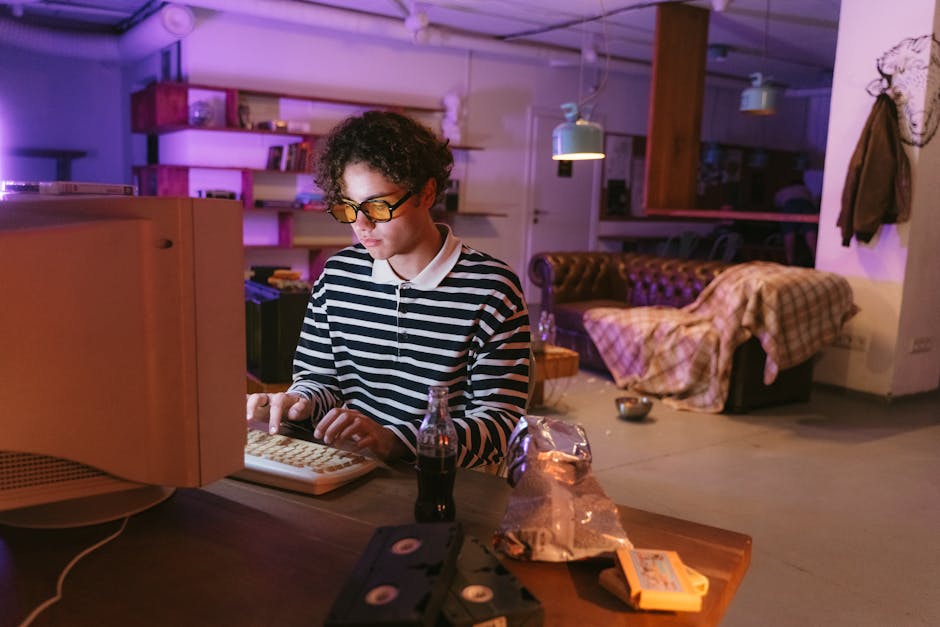
Fast forward a few centuries and chiaroscuro feels right at home in 21st century visuals. You see it in the high contrast frames of noir inspired thrillers, in the natural light gradients of arthouse films, and in portrait photography that leans hard into shadow for depth. Even product design and UI are borrowing from this playbook flat visuals are out, dimensional lighting is in.
So why won’t chiaroscuro fade? Because the human eye and brain are hardwired for drama. Stark contrast tells us where to look. It triggers emotion. Whether you’re a painter, filmmaker, or digital artist, chiaroscuro remains sharp in the toolkit. It’s not just a nod to history; it’s how you cut through the noise today.
Still part of the visual language? You bet and still topping the list of relevant art technique trends.
Learning from the Master
If you walk into any halfway serious art school today, you’ll still find students sketching, painting, or digitally replicating Caravaggio’s most famous works. Two pieces stand center stage: The Calling of St. Matthew and Judith Beheading Holofernes. Both are brutal in clarity and precise in light control prime examples of chiaroscuro not as style, but as storytelling.
Art schools use these works as exercises in seeing contrast, not just drawing it. Students learn to map value ranges, understand source direction, and isolate focal points through controlled shadow. It’s not about copying the look it’s about sharpening the eye. Caravaggio’s tension between dark and light trains young artists to build dimension and evoke emotion with restraint.
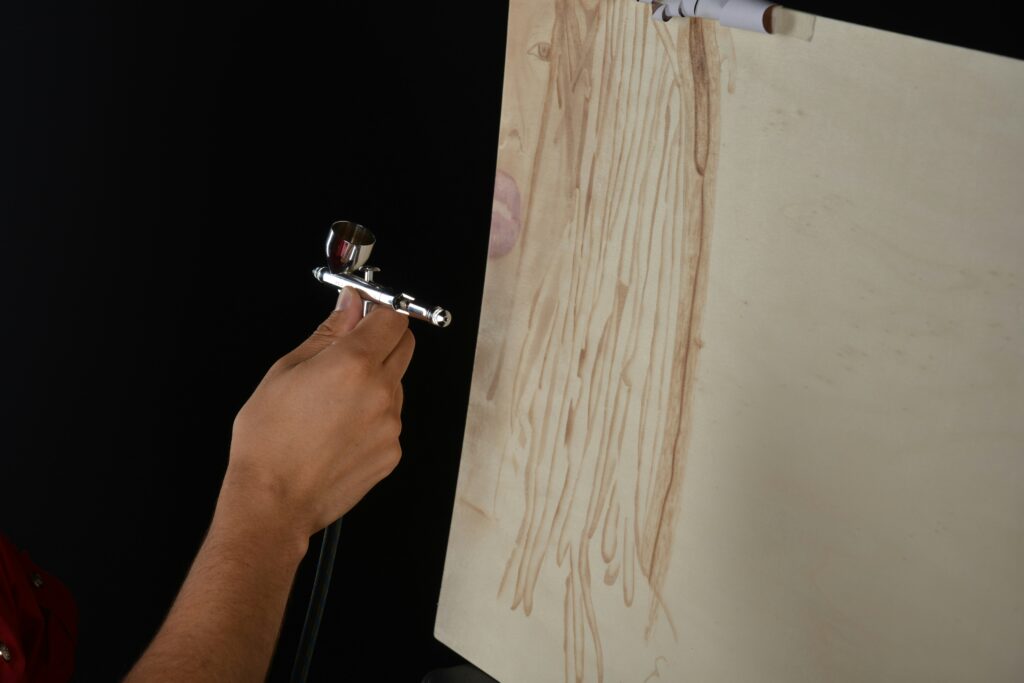
Today, dramatic lighting drills happen across disciplines: oil painting, photography, digital rendering. A common practice is using a single point light like in a dark box setup to mimic Caravaggio’s harsh directional light. Some start with charcoal studies; others use 3D software to recreate the effect. Either way, the goal remains the same: render light as a character, not a background detail.
Chiaroscuro Isn’t Just History
Chiaroscuro didn’t fade with the oil masters it evolved. Today, you’ll find the same dramatic contrast lighting up digital canvases, 3D animation, and hyper realistic portrait work. In digital art, especially, chiaroscuro is more than an aesthetic; it helps guide the eye and set emotional tone without relying on words. Even animated films, from stylized indies to blockbusters, use sharp lighting contrasts to heighten atmosphere and drive visual storytelling.
Contemporary painters haven’t left it behind either. Artists like Roberto Ferri and Odd Nerdrum pull directly from Caravaggio’s playbook, adapting the shadow drenched drama to suit modern themes. Within design circles, chiaroscuro shows up in everything from brand visuals to game environments, signaling grit, intimacy, even danger all through light control.
The technique keeps surfacing because it still works. As art technique trends shift toward immersive, high impact visuals, chiaroscuro remains a heavy hitter. It’s proof that a 400 year old trick can still quiet a modern viewer even if they’re holding a smartphone instead of standing in a gallery.