Setting the Scene: Europe in Transformation
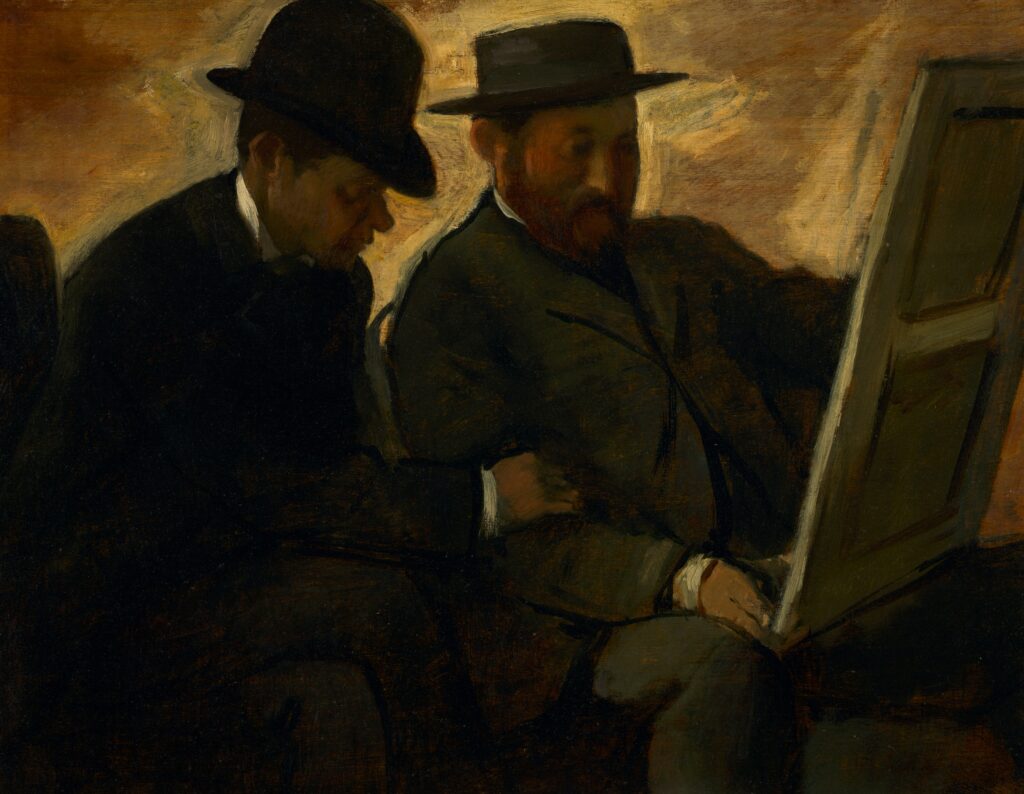
The 17th and 18th centuries were anything but quiet for Europe. This was an age defined by extremes religious fervor, political absolutism, and staggering displays of wealth. Monarchs ruled with tight control, the Catholic Church loomed large, and the aristocracy curated culture with precision. Art didn’t sit on the sidelines it was front and center, leveraged as a tool for persuasion, devotion, and display.
In Catholic strongholds, religious institutions poured money into sacred art that could inspire awe and obedience. Giant altarpieces and dramatic ceiling frescoes weren’t just decoration they were reinforcement of divine authority. At the same time, kings and queens showcased their power through palaces filled with paintings and sculptures that glorified their reign, often blurring the line between ruler and deity.
For Europe’s aristocrats, art was more than status it was spectacle. Commissioning a portrait, a private theater, or an ornate landscape wasn’t just personal indulgence; it was a way of asserting taste and dominance. As the centuries turned and the Enlightenment crept in, the pendulum began to swing from dogma to pleasure, but throughout this era, art remained a language of control and desire. Every brushstroke had a purpose and usually, a patron.
What Defines Baroque?
Baroque emerged in the late 1500s and stretched well into the early 1700s. It wasn’t subtle. This was art that wanted to grab you by the collar and pull you in. Behind its rise were powerful institutions the Catholic Church and absolute monarchies that used art as a means to dazzle, preach, and dominate.
The style is big on drama. Expect dynamic compositions, intense movement, and subjects caught in the middle of action. Baroque doesn’t sit still. It stages a scene like a play, with heavy emotion and theatrical lighting. Chiaroscuro that stark contrast between light and shadow is a big part of the look. Color palettes leaned deep and rich: crimson reds, dark golds, deep blues.
Architects and artists did not hold back. Caravaggio’s raw, gritty realism lit by harsh light made Biblical scenes feel shocking and immediate. Bernini sculpted emotion into marble, his figures often mid motion or lost in spiritual ecstasy. Rubens, meanwhile, painted lush, sprawling canvases packed with myth and muscle. Nothing about Baroque whispers it announces itself.
How Rococo Diverged from the Baroque
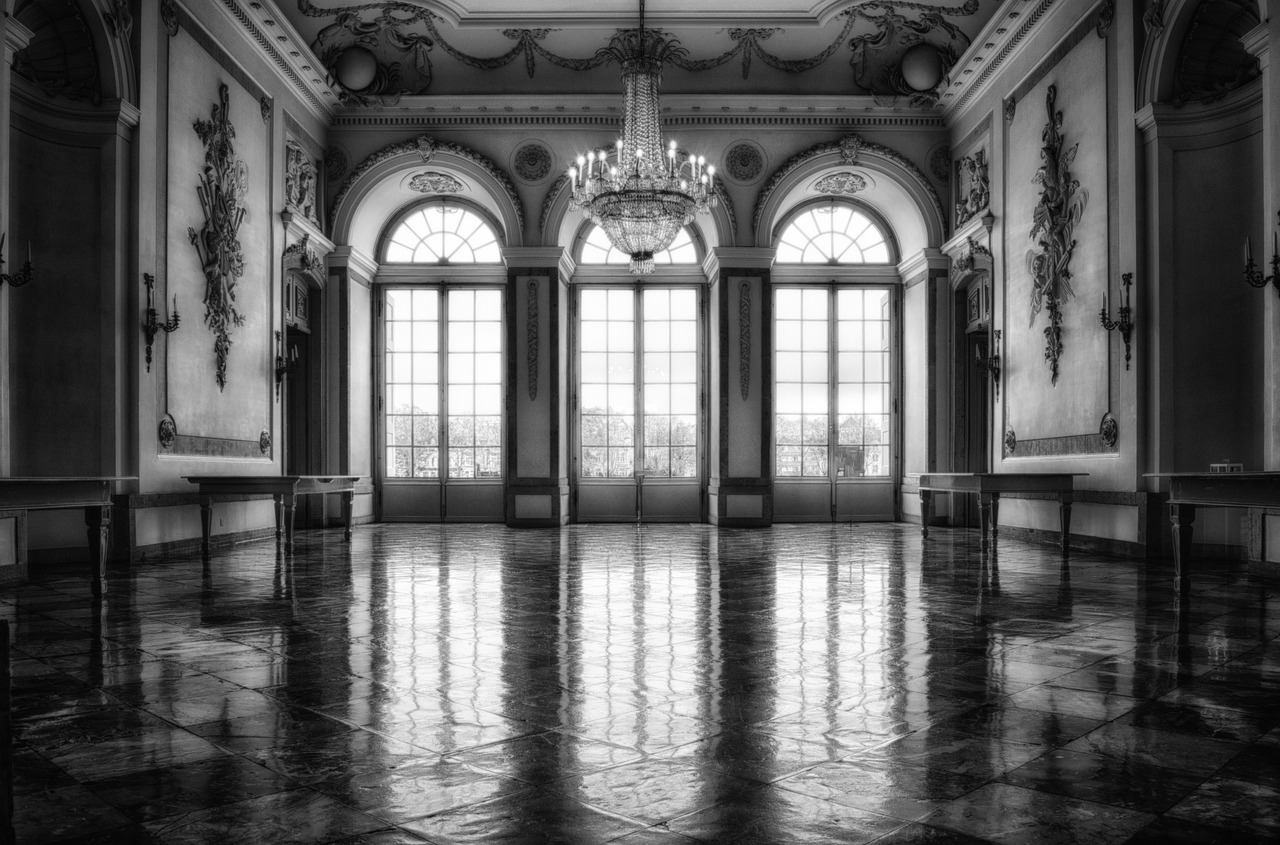
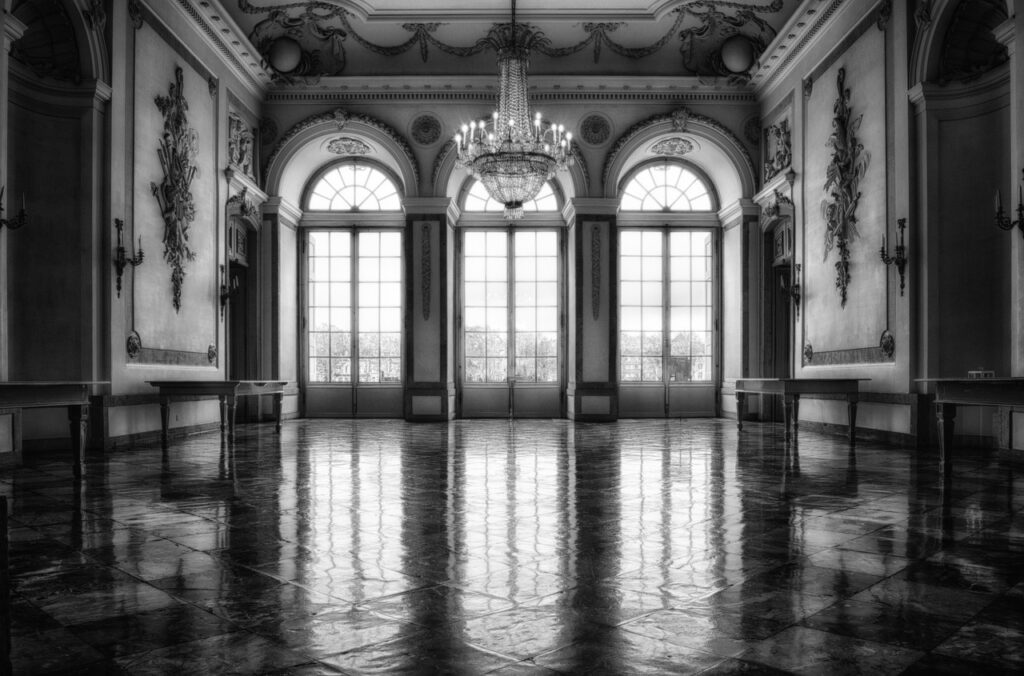
By the early 1700s, the weight of Baroque drama gave way to something softer, lighter, and more intimate: the Rococo. This wasn’t art for cathedrals or kings it was for salons, bedrooms, and hidden gardens. Rococo emerged in a France where aristocrats leaned into comfort, flirtation, and beauty for its own sake. Politics shifted, palaces got cozier, and painting followed suit.
Themes pivoted from heavy religious drama to private moments and play. Scenes of lovers in lush gardens, aristocrats lounging under trees, and cherubs doing more lounging still became the backbone of the style. You won’t find thunderbolts or epic battles here. Think intimacy over intensity.
The visuals told the story, too. Colors were lighter pinks, sky blues, soft golds. Lines curved instead of cut. Shadow gave way to glow. Every surface was fair game for ornament, from ceilings to teacups. Art wasn’t shouting anymore it was blushing.
A trio of artists defined Rococo’s charm: Fragonard, with his swirling couples and garden games; Boucher, who mirrored a world of powdered wigs and satin excess; and Watteau, who balanced joy with strange melancholy. They painted a world on the edge of change, but you wouldn’t know it from the lace and pastel they left behind.
Style Face Off: Baroque vs. Rococo
At a glance, Baroque and Rococo might seem like cousins both ornate, both rooted in European aristocracy. But look closer, and the differences are sharp. Baroque is all muscle and message. Rococo flirts, charms, and dances.
Emotion: Baroque wanted to move you deeply. It dealt in grandeur and awe, often with religious or moral undercurrents. Rococo, on the other hand, felt lighter. It leaned into the personal, the romantic, even the playful. It wasn’t about stirring your soul so much as pampering your senses.
Composition: Baroque compositions are intense. Diagonal lines, dramatic angles, and a sense that something big is always happening. Rococo eases up, replacing drama with flow. Shapes curve softly. Spaces open up. Theatrical tension gives way to ornamental ease.
Subject Matter: Baroque art told big stories biblical trials, mythic battles, historic milestones. Rococo zoomed in on daily pleasures: a garden flirtation, a stolen glance, a lazy summer afternoon. The sacred gave way to the secular, the public to the personal.
Color Palette: Where Baroque favored bold contrasts deep shadows, shining golds, blood reds Rococo lightened the mood. Think pastel pinks, powdered greens, creamy whites. It was a shift from candlelight to daylight.
The transition wasn’t just about style it was about what people wanted from art. Baroque aimed to command. Rococo aimed to delight.
Why the Shift Happened
By the early 18th century, Europe was no longer ruled solely by kings, popes, or the old guard. Monarchies were losing their grip, and a new class the bourgeoisie was on the rise. These merchants, bankers, and thinkers weren’t after towering cathedrals or ornate tributes to divine power. They wanted art that spoke to personal luxury, leisure, and private desire.
As political power fractured, so did artistic patronage. The Church, once the primary commissioner of grand Baroque works, saw its influence decline. In its place came independent collectors: wealthy individuals commissioning pieces for their homes, salons, and pleasure palaces not public squares or altars. Art had less to prove and more to enjoy.
This shift in power and preference reshaped European taste. Art moved from the heavy symbolism and control of Baroque to the lightness and casual sensuality of Rococo. No longer about fear or dominance, it became a mirror for comfort, flirtation, and fantasy. In short: power stepped back, pleasure stepped in.
Legacy and Influence
Baroque and Rococo didn’t fade quietly into history they rewired how Europe understood beauty, emotion, and narrative in art. Baroque’s intensity, theatrical lighting, and dramatic tension set a new bar for storytelling on canvas and in stone. Think of it as visual architecture built to shake you awake. Rococo, by contrast, leaned into intimacy and the ornamental, appealing to personal pleasure rather than institutional power. It wasn’t just fluff it recalibrated taste and gave everyday grace a legitimate voice in art.
Their influence didn’t stop with their own eras. Neoclassicism rose, in part, as a reaction to Rococo’s excess but without Rococo, there would’ve been nothing to rebel against. Baroque’s architectural ambition and high drama paved the path for Neoclassicism’s structured clarity. Romanticism, too, owes a debt. It pulled emotion from Baroque, and borrowed Rococo’s subjectivity, even as it claimed to reject both.
In short: these styles weren’t dead ends. They left fingerprints on what came next, adding texture and contrast to the long arc of European aesthetics.
Want to see how later artists defied tradition? Check out The Birth of Impressionism: Challenging Academic Conventions
 Brian Ochoaller writes the kind of creative inspiration from the past content that people actually send to each other. Not because it's flashy or controversial, but because it's the sort of thing where you read it and immediately think of three people who need to see it. Brian has a talent for identifying the questions that a lot of people have but haven't quite figured out how to articulate yet — and then answering them properly.
They covers a lot of ground: Creative Inspiration from the Past, Art Movements Explained, Exhibition Reviews and Highlights, and plenty of adjacent territory that doesn't always get treated with the same seriousness. The consistency across all of it is a certain kind of respect for the reader. Brian doesn't assume people are stupid, and they doesn't assume they know everything either. They writes for someone who is genuinely trying to figure something out — because that's usually who's actually reading. That assumption shapes everything from how they structures an explanation to how much background they includes before getting to the point.
Beyond the practical stuff, there's something in Brian's writing that reflects a real investment in the subject — not performed enthusiasm, but the kind of sustained interest that produces insight over time. They has been paying attention to creative inspiration from the past long enough that they notices things a more casual observer would miss. That depth shows up in the work in ways that are hard to fake.
Brian Ochoaller writes the kind of creative inspiration from the past content that people actually send to each other. Not because it's flashy or controversial, but because it's the sort of thing where you read it and immediately think of three people who need to see it. Brian has a talent for identifying the questions that a lot of people have but haven't quite figured out how to articulate yet — and then answering them properly.
They covers a lot of ground: Creative Inspiration from the Past, Art Movements Explained, Exhibition Reviews and Highlights, and plenty of adjacent territory that doesn't always get treated with the same seriousness. The consistency across all of it is a certain kind of respect for the reader. Brian doesn't assume people are stupid, and they doesn't assume they know everything either. They writes for someone who is genuinely trying to figure something out — because that's usually who's actually reading. That assumption shapes everything from how they structures an explanation to how much background they includes before getting to the point.
Beyond the practical stuff, there's something in Brian's writing that reflects a real investment in the subject — not performed enthusiasm, but the kind of sustained interest that produces insight over time. They has been paying attention to creative inspiration from the past long enough that they notices things a more casual observer would miss. That depth shows up in the work in ways that are hard to fake.