The Power of Personal Narrative
Frida Kahlo didn’t separate her art from her life she painted it all. Pain became pigment. Identity became canvas. Her brush didn’t flinch from subjects most still tiptoe around: physical disability, miscarriage, heartbreak, and isolation. She didn’t document beauty. She showed what was broken and dared to call it human.
In today’s filtered, polished art landscape, her honesty cuts through the noise. There’s no branding strategy in her work, no aesthetic posturing. That rawness is exactly what makes it feel radical still.
As mental health takes center stage in 2026, Kahlo’s work lands differently. Her self portraits don’t just reflect suffering; they reveal the refusal to hide it. That vulnerability isn’t weakness it’s power. And for people navigating their own struggles, that kind of permission still matters.
Intersection of Politics and Identity
Frida Kahlo’s art was never just about aesthetics it was a declaration. Every brushstroke carried the weight of where she came from and what she stood for. She didn’t draw a line between the personal and political. Her canvases were battlegrounds where nationalism, feminism, colonial trauma, and indigenous identity collided. In each piece, she carved space for the parts of herself and her country that the mainstream tried to erase.
In 2026, with global conversations still circling around justice, equity, and identity, her work hits a nerve. It speaks to people navigating layered identities and systemic erasure. Frida’s self portraits are mirrors for those who have never felt fully seen.
She painted womanhood in full complexity: not sanitized, not dressed up for applause. Pain, pride, menstruation, betrayal, rage it’s all there. She made visible what society once forced underground. And she did it when doing so came with risk. That’s part of what makes her legacy revolutionary. Not because she wanted to shock, but because she refused to lie.
Feminist Legacy and Representation
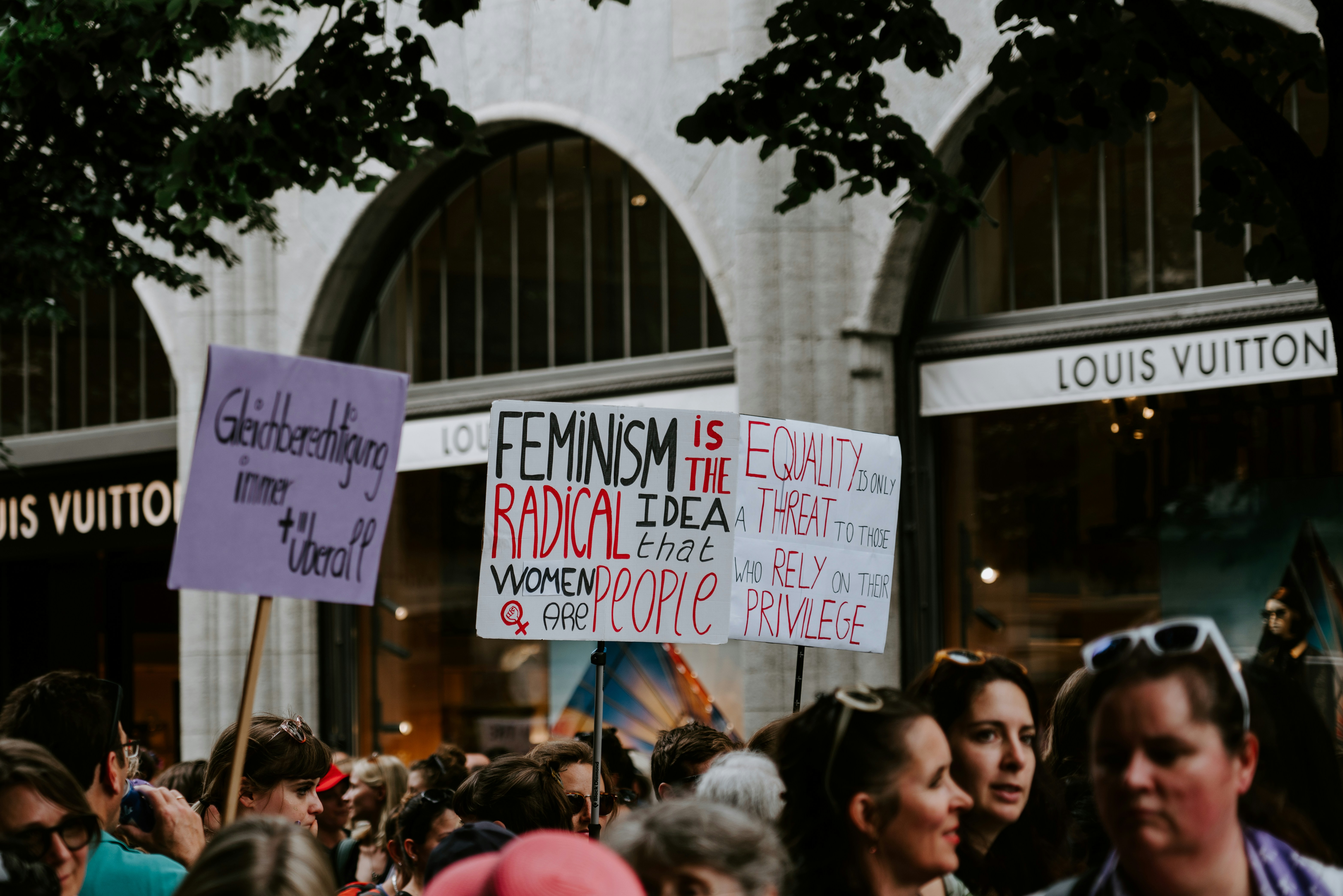
Frida Kahlo remains one of the few women artists whose name echoes on a global level. But her impact isn’t just about fame it’s about what she dared to show. Her self portraits didn’t flatter. They stated. They confronted. Her depiction of female pain, strength, desire, and identity didn’t ask for validation. It held the mirror up to a world that preferred women soft spoken and self erasing.
Today, Kahlo’s work is still a touchstone for feminist voices not because it chases trends, but because it offers a clear, defiant alternative to the sanitized versions of womanhood still circulated in mainstream media. Where other artists of her era morphed their styles to fit movements or markets like Picasso’s constant reinvention Frida kept digging into herself. Her evolution wasn’t stylistic performance. It was survival. It was truth.
That’s why she still speaks to young artists, activists, and anyone bent on building something real. She painted what hurt and what healed. No filter. No compromise. Just power.
Visual Vocabulary That Still Feels Modern
Frida Kahlo didn’t just paint pictures she built a symbolic language. The monkeys, anatomical hearts, ropes, thorns, and fractured frames aren’t just props. They’re loaded with emotional and cultural weight. Pain, connection, entrapment, heritage it’s all in there, if you know how to look. Her use of intense iconography was personal, but it hit universal notes. That’s why it still works.
What makes Kahlo’s visual style so powerful is how she combined surrealism with Mexican folk art. It wasn’t academic; it was instinctive. Her paintings feel hand welded between the past and future. That blend influenced how emotion and identity are visualized today from stylized editorials in fashion magazines to storyboards in music videos. She set the tone for turning inner turmoil into bold, unforgettable imagery.
And now, in an era of virtual galleries, projection mapping, and augmented reality, Kahlo’s imagery is getting a new life. Younger artists remix her motifs into moving installations, VR experiences, and layered digital collages. The medium may shift, but her symbolism remains raw and relevant. She spoke in pictures that still feel urgent and that’s not changing any time soon.
Cultural Relevance in 2026
Frida Kahlo’s presence in the digital era isn’t fading it’s evolving. Her face shows up in NFT collections, virtual galleries, and AI powered reinterpretations that remix her style without diluting her spirit. Even as her work gets filtered through tech trends, what makes it Frida remains untouched: that sharp honesty, that emotional heat.
Her image, once groundbreaking, now rights historical wrongs. For many Latinx, queer, and disabled creators and fans, she’s more than an icon she’s lived proof that identity can be art, and that visibility can be radical, even decades later. They see themselves in her struggle. They push her legacy forward.
Kahlo matters in 2026 because she always spoke straight from the wound. Her art holds up not because it chases relevance, but because it never needed to. It’s personal, confronting, and direct the kind of work that lingers well after you’ve looked away.
Timeless, Because It’s Honest
Art That Confronts
Frida Kahlo didn’t create to comfort she created to confront. Her paintings are not adorned with idealism or easy interpretation. They are demanding, personal, often painful. And that’s precisely why they endure.
Kahlo’s art leans into discomfort, never glossing over suffering or identity
The emotional rawness forces viewers to slow down and feel
She challenged expectations of what women should create and how they should express pain
Honesty Over Aesthetic
Unlike many artists who mold their work to audience tastes or trends, Kahlo’s commitment to truth over beauty is what sets her apart. Her pieces weren’t designed to please; they were designed to say something real.
No romanticizing of trauma she paints it with clarity and complexity
Whether depicting her physical pain, emotional isolation, or cultural dualities, she never compromised
This refusal to bend to commercial or cultural norms gives her work an unmistakable authenticity
Why It Still Matters
In today’s world oversaturated with filters, perfection, and curated personas Frida’s brutal honesty cuts through. Her paintings feel urgent because they are honest. They don’t whisper; they demand your attention.
As society embraces more open conversations around identity and mental health, her voice feels more relevant than ever
Her legacy serves as both mirror and map: showing where we’ve come from and where we still need to go
In a world full of noise, Kahlo’s truth continues to resound with clarity
Frida Kahlo’s work resonates not because it follows trends, but because it tells the truth. And truth, told well, never goes out of style.
 Ask Maryanne Smithack how they got into art movements explained and you'll probably get a longer answer than you expected. The short version: Maryanne started doing it, got genuinely hooked, and at some point realized they had accumulated enough hard-won knowledge that it would be a waste not to share it. So they started writing.
What makes Maryanne worth reading is that they skips the obvious stuff. Nobody needs another surface-level take on Art Movements Explained, Techniques of Historical Artists, Art History Insights. What readers actually want is the nuance — the part that only becomes clear after you've made a few mistakes and figured out why. That's the territory Maryanne operates in. The writing is direct, occasionally blunt, and always built around what's actually true rather than what sounds good in an article. They has little patience for filler, which means they's pieces tend to be denser with real information than the average post on the same subject.
Maryanne doesn't write to impress anyone. They writes because they has things to say that they genuinely thinks people should hear. That motivation — basic as it sounds — produces something noticeably different from content written for clicks or word count. Readers pick up on it. The comments on Maryanne's work tend to reflect that.
Ask Maryanne Smithack how they got into art movements explained and you'll probably get a longer answer than you expected. The short version: Maryanne started doing it, got genuinely hooked, and at some point realized they had accumulated enough hard-won knowledge that it would be a waste not to share it. So they started writing.
What makes Maryanne worth reading is that they skips the obvious stuff. Nobody needs another surface-level take on Art Movements Explained, Techniques of Historical Artists, Art History Insights. What readers actually want is the nuance — the part that only becomes clear after you've made a few mistakes and figured out why. That's the territory Maryanne operates in. The writing is direct, occasionally blunt, and always built around what's actually true rather than what sounds good in an article. They has little patience for filler, which means they's pieces tend to be denser with real information than the average post on the same subject.
Maryanne doesn't write to impress anyone. They writes because they has things to say that they genuinely thinks people should hear. That motivation — basic as it sounds — produces something noticeably different from content written for clicks or word count. Readers pick up on it. The comments on Maryanne's work tend to reflect that.